
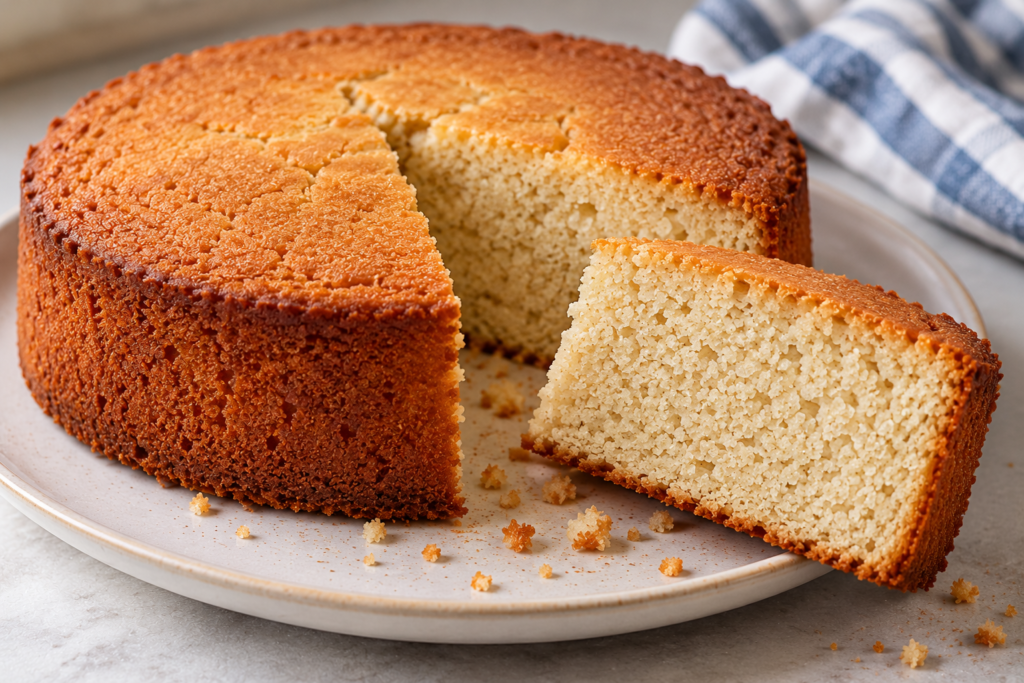
Why Does My Eggless Cake Become Hard After Cooling? 7 Causes & Fixes
Why does my eggless cake become hard after cooling? If your eggless cake feels soft when it comes out of the oven but turns firm or dry as it cools, the reason may be overbaking, too much flour, an imbalance of ingredients, or incorrect storage.
Some firming as a cake cools is normal. However, if your eggless sponge becomes unpleasantly hard, its texture can help you identify the cause.
When I troubleshoot an eggless sponge, I first look at the crumb. Is it dense from the beginning, hard around the edges, dry throughout, or gummy in the centre? Each symptom points towards a different part of the baking process.
For more solutions to common eggless baking problems, see my Eggless Baking Guide: Common Problems, Causes & Easy Fixes.
What Makes an Eggless Sponge Light or Heavy?
A light sponge has a tender crumb with small, reasonably even air pockets. During baking, air and gases help the batter expand, while the cake’s structure sets to hold that volume.
A dense sponge has a tighter crumb and less volume. This can happen when the batter does not retain enough air, the leavening agent does not work effectively, or too much flour makes the batter too thick.
A cake that becomes hard after cooling may have a different problem. It may have lost too much moisture during baking, or its ingredient balance may not provide enough tenderness.
The first step is to distinguish a cake that was dense from the beginning from one that became hard as it cooled.
First, Identify the Problem
| What you notice | What to check first |
|---|---|
| Heavy and compact from the beginning | Flour measurement, mixing and leavening |
| Hard mainly around the edges | Baking time and oven temperature |
| Dry and hard throughout | Overbaking and ingredient quantities |
| Soft after cooling but hard the next day | Storage and ingredient balance |
| Hard outside but gummy in the centre | Whether the centre baked through |
| Breaks apart when sliced | Binding and crumb structure |
These clues help narrow down the cause, although more than one factor may be responsible.
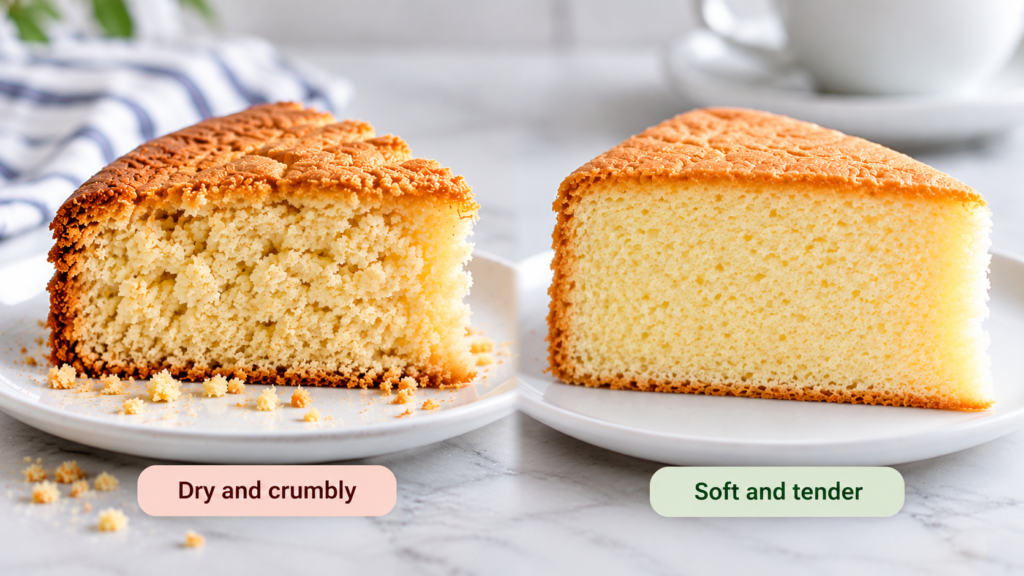
1. Overbaking or Incorrect Oven Temperature: Hard Edges and a Dry Crumb
What you notice: The cake develops hard edges, a thick crust or a dry crumb. The outside may look fully baked while the centre takes longer to cook.
Why it happens: Baking for too long allows excessive moisture to escape. An oven that runs hotter than the selected temperature can brown and set the outside too quickly. A temperature that is too low may prolong baking, leaving the cake in the oven for longer than necessary.
What to check: Compare the baking time and temperature with the recipe. Use the recommended tin size and check whether your oven temperature is accurate. An oven thermometer can help if you suspect the temperature setting is unreliable.
Start checking for doneness towards the end of the recommended baking time. A skewer is useful where appropriate, but also look for a set surface and a crumb that springs back gently when lightly pressed.
For help with oven settings and baking technique, read How to Use an Oven for Baking.
2. Too Much Flour: A Heavy, Tight Crumb
What you notice: The sponge feels compact and has less volume than expected. It may also seem dry or firm soon after baking.
Why it happens: Excess flour changes the proportion of dry ingredients to liquid and fat. The batter becomes thicker than intended, making it harder to achieve a light, tender crumb.
This can happen when flour is packed into a measuring cup or extra flour is added because the batter looks thinner than expected.
What to check: Weigh the flour whenever possible. If you use measuring cups, spoon the flour loosely into the cup and level it without pressing it down. Follow the recipe’s specified quantity rather than adding more flour simply to thicken the batter.
If your cake is dense from the beginning, read Why Is My Cake Dense?
3. Incorrect Ingredient Balance: The Sponge Lacks Tenderness
What you notice: The cake rises reasonably well but feels firmer than expected after cooling. It may not be obviously dry, yet the crumb lacks the tenderness you expected.
Why it happens: The proportions of fat, sugar and liquid influence the texture of an eggless cake. Fat helps tenderize the crumb, while sugar contributes to tenderness and moisture retention. Changing these ingredients without adjusting the rest of the recipe can affect the finished cake.
What to check: Did you reduce the oil or sugar, change the amount of liquid, or substitute an ingredient without adjusting the recipe? Compare your measurements with the original method and restore the intended quantities before experimenting further.
Do not automatically add more milk or oil. If the original problem is an imbalance in the recipe, extra liquid may create a gummy centre, while too much fat can affect the cake’s structure.
4. Overmixing: A Tough or Chewy Crumb
What you notice: The cake has a tougher, firmer or slightly chewy crumb rather than the tender texture you expected.
Why it happens: Excessive mixing after flour is added can develop more gluten than the recipe needs. This may make the crumb tougher, particularly when the batter is beaten for too long after the flour has been incorporated.
What to check: Follow the recipe’s mixing sequence. Once the flour is incorporated, mix gently and stop when the batter is combined. Avoid continuing to beat simply to make the batter look smoother.
Before changing the ingredient quantities, try following the original mixing method carefully.
5. Ineffective Leavening: The Cake Does Not Rise Properly
What you notice: The cake rises very little and has a tight, compact crumb, even when the centre is fully baked.
Why it happens: Baking powder or another leavening agent helps create the gas needed for the batter to expand. If the quantity is incorrect or the leavening agent has lost its effectiveness, the cake may not develop enough volume.
What to check: Check the quantity and expiry date of your baking powder or other leavening agent. Measure it accurately and follow the recipe’s instructions for mixing and baking without unnecessary delays.
Overmixing and ineffective leavening can produce similar symptoms, but they require different corrections. Check the mixing method and the leavening agent separately.
If poor rise is the main problem, read Why Is My Eggless Cake Not Rising?
6. The Egg Substitute Changes the Texture
What you notice: Your cake becomes firmer, denser or unusually moist after you replace the egg substitute specified in the recipe.
Why it happens: Egg substitutes do not all behave in the same way. Yogurt, flaxseed mixtures and fruit purées contribute different amounts of moisture, binding and structure. A substitute that works well in one recipe may not produce the same result in another.
What to check: Use the substitute specified in the recipe when troubleshooting. If you have changed it, check whether the amount of liquid or flour also needs adjustment. Avoid changing several ingredients at once, as this makes it difficult to identify what caused the texture problem.
For a comparison of alternatives, read Best Egg Substitutes for Cakes.
7. Incorrect Cooling and Storage: The Cake Firms Up by the Next Day
What you notice: The cake is reasonably soft after cooling but becomes noticeably firmer or drier by the following day.
Why it happens: Moisture can escape when the cake is left uncovered, while the original ingredient balance affects how well it retains its tenderness. The crumb also changes naturally as a cake cools and ages.
What to check: Let the cake rest in its tin for the time recommended by the recipe, then transfer it to a wire rack to cool completely. Once cool, store it in a clean, properly sealed airtight container. Avoid leaving it uncovered for long periods or sealing it while warm, as trapped steam can create condensation and a sticky surface.
In a hot or humid climate, consider the ingredients in your cake before deciding whether room-temperature storage or refrigeration is appropriate. Refrigeration is not automatically the best option for every cake because it can affect texture. Follow recipe-specific storage guidance, especially for cakes containing perishable ingredients.
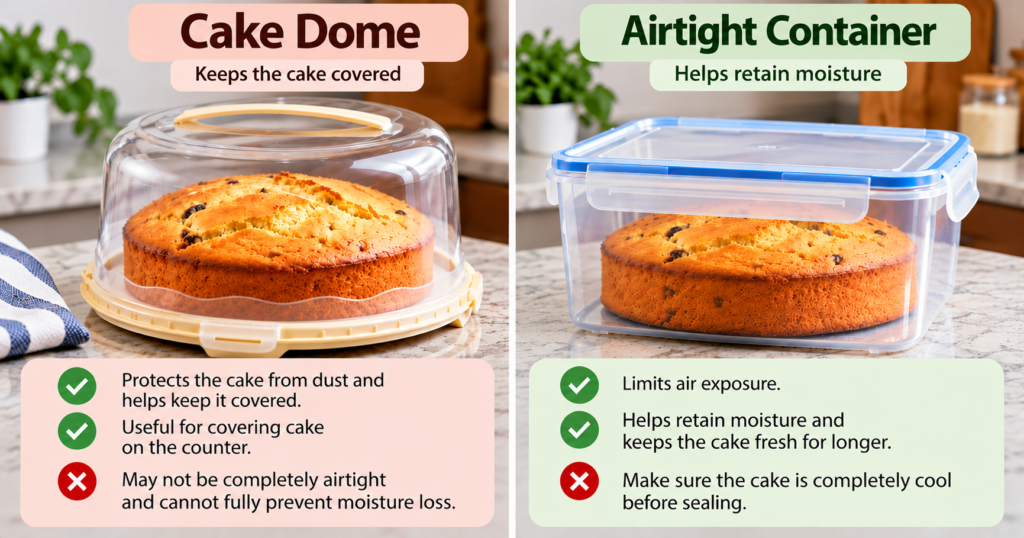
Does a Cake Dome Keep an Eggless Cake Soft?
A cake dome protects your cake from dust and keeps it covered, but not every dome forms an airtight seal. If you want to limit moisture loss, a clean, properly sealed airtight container is generally a better choice once the cake has cooled completely.
If the cake is already dry when you first slice it, the problem may have developed during baking rather than storage. Read Why Is My Eggless Cake Dry? for further troubleshooting.
Related Problems: Crumbling and a Gummy Centre
What If the Cake Crumbles When Sliced?
If the sponge breaks apart instead of holding together in a clean slice, it may lack sufficient binding or structural strength. A dry, crumbly cake and a moist but fragile cake can have different causes.
Check whether the cake crumbles into dry pieces or is moist but too fragile to slice cleanly. Review the flour quantities and binding ingredients before changing the liquid.
For a focused diagnosis, read Why Does My Eggless Cake Crumble?
What If the Outside Is Hard but the Centre Is Gummy?
A firm exterior with a gummy centre suggests that the outside may have set before the centre finished baking.
Check the oven temperature, tin size, batter depth and baking time before changing the ingredients. Adding more liquid will not correct a centre that has failed to bake through.
Read Why Is My Eggless Cake Gummy in the Middle? for a focused diagnosis.
How to Keep Your Eggless Sponge Tender
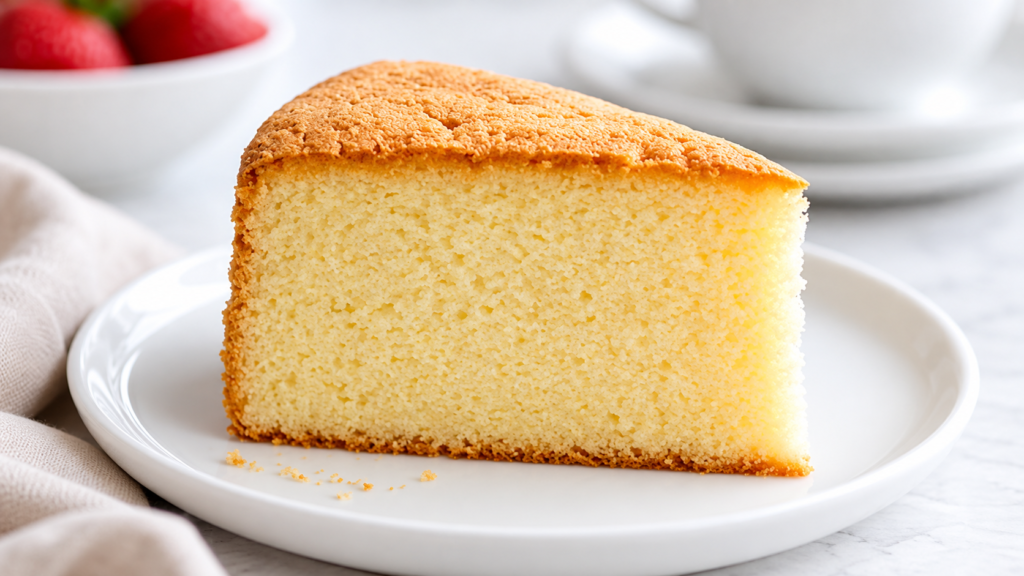
Before your next bake:
- Measure flour and leavening accurately.
- Follow the recipe’s specified fat, sugar and liquid quantities.
- Use the recommended egg substitute and mixing method.
- Preheat the oven and use the specified tin size.
- Check doneness towards the end of the recommended baking time.
- Cool the cake completely before storing it appropriately.
For more guidance, read How to Make Eggless Cake Soft and Moist.
Frequently Asked Questions
Why does my eggless cake become hard after cooling?
Overbaking, excess flour, an unsuitable ingredient balance and excessive mixing can all contribute. The location and timing of the hardness help narrow down the problem.
Is it normal for a cake to become firmer after cooling?
Yes. A warm cake is often softer than a fully cooled one, but it should not become unpleasantly hard.
Should I add more milk to keep my eggless cake soft?
Not automatically. Extra milk can change the batter balance and may contribute to a gummy centre. Identify the likely cause before adjusting the liquid.
Why does my eggless cake become hard the next day?
Moisture loss during storage may be responsible. Store the completely cooled cake appropriately and review the recipe if the problem continues.
Why does my gluten-free eggless cake become hard?
The flour blend, starches, binders, fat and moisture balance all affect the crumb. Check the specific recipe before changing the ingredients.
My Troubleshooting Advice
I would not immediately add milk or increase the oil when an eggless sponge becomes hard. First, identify when the problem appeared and check the most likely cause.
Hard edges point towards baking time or oven temperature. A dense cake needs a different investigation from one that becomes firm overnight.
Change one thing at a time. This helps you understand what happened during baking and learn which adjustment actually improves your next cake.
Sharmila Sengupta | Baking Expert & Educator | 25+ Years of Baking Experience