
Which Gluten-Free Flour Should You Use?
Choosing the best gluten-free flours for baking is not simply a matter of replacing wheat flour with another grain flour. Different gluten-free flours absorb liquid differently, contribute different textures and behave differently when combined with starches, fats and binding ingredients.
A cake may turn out gritty, cookies may crumble, or bread may lack structure even when you have measured the ingredients carefully. These problems can sometimes be traced to the flour, but hydration, mixing, leavening, baking and cooling can also influence the final result.
In my experience, the most useful starting point is to understand what went wrong before changing the ingredients. Once you recognise how a particular flour behaves, it becomes easier to decide whether the flour blend needs attention or another part of the recipe is responsible.
This guide is part of my Gluten-Free Baking Guide. It will help you identify common gluten-free flour problems, understand how individual flours behave and choose suitable options for cakes, cookies, bread and other bakes.
Start Here: What Is Going Wrong with Your Gluten-Free Bake?
Before changing your flour, identify the problem you are seeing. The same symptom can have more than one cause, so pay attention to when and how it appears.
- Cake feels gritty or sandy: Examine the fineness of the rice flour and whether the particles have had enough time to hydrate.
- Cookies are dry or crumbly: Notice whether the dough breaks before baking or whether the baked cookies become fragile after cooling.
- Eggless cake is dense: Consider the flour-to-starch balance, batter consistency, mixing and leavening.
- Cookies feel oily or heavy: Check the natural fat in almond flour alongside the added fat in the recipe.
- Gluten-free bread lacks structure: Examine the flour blend, hydration and binding ingredients rather than assuming the dough needs more flour.
- Bread has a gummy centre: Distinguish between underbaking, excess moisture and bread sliced before it has cooled completely.
- Coconut flour bakes turn dry: Look at the batter consistency and whether the recipe has been formulated for coconut flour’s high absorption.
- Millet bakes taste too strong or bitter: Distinguish the natural earthy flavour of millet from an unpleasant bitter or stale taste.
- A bake turns chewy or sticky after changing flour: Check whether sweet rice flour or a high proportion of starch has changed the texture.
These observations give you a starting point. The following sections explain what to look for and what each symptom may indicate.
Common Gluten-Free Flour Problems: How to Identify the Cause
1. Why Does My Gluten-Free Cake Feel Gritty?
A gritty or sandy texture is particularly noticeable in cakes made with rice flour. It can make an otherwise well-baked cake feel unpleasant when you eat it.
However, not every gritty cake has the same cause.
If the cake feels gritty even though it is moist:
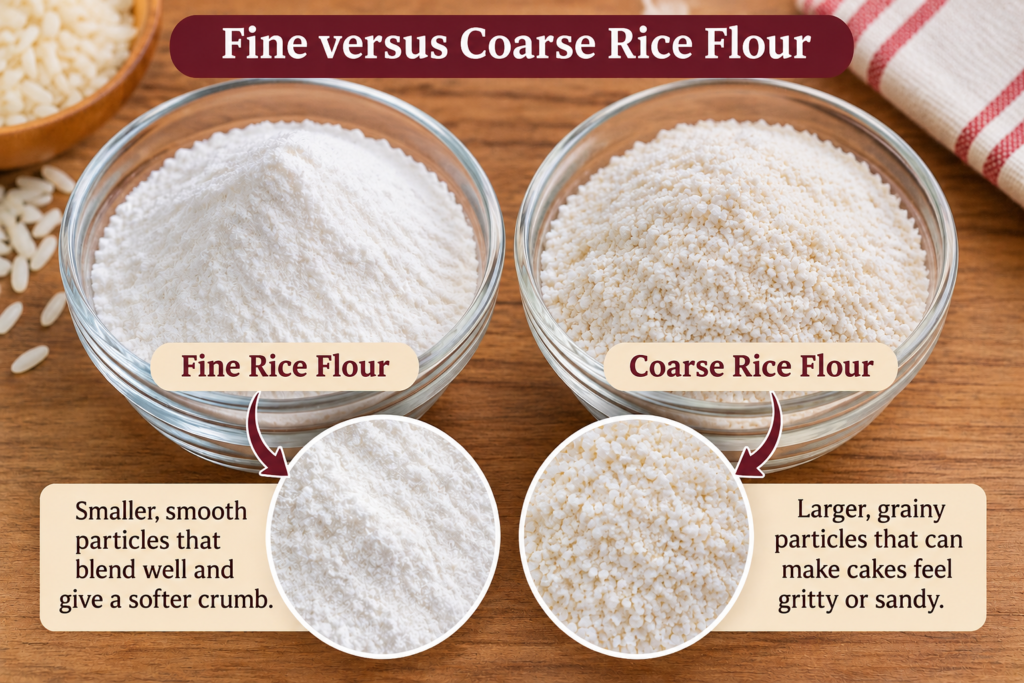
The rice flour may be too coarse. Larger particles do not disappear during baking and can remain noticeable in the crumb.
If the cake feels both dry and gritty:
The flour may not have absorbed enough liquid. The recipe’s hydration, mixing time and flour characteristics all deserve attention.
If you notice uneven gritty patches:
Check whether the flour was distributed evenly through the batter. Poor mixing can leave pockets of dry flour or unevenly hydrated ingredients.
What should you investigate?
Look at the fineness of the rice flour first. If it is reasonably fine, consider whether the batter had enough time to hydrate before baking. A short resting period may help finer particles absorb moisture more evenly, but it will not completely correct flour that is too coarse.
I would not immediately add more liquid. First establish whether the problem comes from particle size or insufficient hydration.
You may also find my Gluten-Free Pancakes useful when understanding how rice flour behaves in a batter.
2. Why Do Gluten-Free Cookies Turn Dry or Crumbly?
Gluten-free cookies can crumble for different reasons, and it is important to identify when the problem begins.
If the dough breaks when you shape it:
The mixture may not have enough moisture or binding to hold together. The flour combination, fat distribution and quantity of liquid can all affect the dough.
Allowing the dough to rest may help the flour absorb moisture more evenly. If the dough is too soft or greasy, however, chilling may be more appropriate.
If the dough holds together but the baked cookies crumble:
Look at the baking time, temperature and cooling process. Cookies can become fragile when they are baked for too long or when their structure has not developed sufficiently.
Some cookies also feel soft when they first come out of the oven and become firmer as they cool. Do not judge their final texture while they are still hot.
For example, in my Almond Coconut Cookies, I bake at approximately 170°C for 12–14 minutes. The cookies need time to cool before their final texture can be assessed.
One more point: desiccated coconut and coconut flour are not interchangeable. Desiccated coconut contributes texture and flavour, whereas coconut flour absorbs considerably more liquid.
3. Why Is My Eggless Gluten-Free Cake Dense?
A dense eggless cake does not automatically mean that the flour is unsuitable.
Eggs perform several functions in conventional cakes. They help provide structure, contribute moisture and assist with aeration. The yolk also contributes fat and emulsifying properties. In an eggless gluten-free formulation, these functions need to be balanced through other ingredients.
Here are some differences worth observing.
If the cake is compact and has very little rise:
Look at the leavening, batter consistency and the balance between grain flour and starch. A heavy batter may not expand sufficiently.
If the cake rises and then sinks:
The structure may not have been strong enough to support the rising cake. Excess liquid, too much leavening or an unsuitable baking temperature can contribute.
If the cake is dense but also dry:
The flour may have absorbed more liquid than the recipe allowed for, or the cake may have been baked for too long.
What should you investigate?
Check the freshness of your baking powder or baking soda, the consistency of the batter and the flour-to-starch balance. Also consider whether the mixing method and baking temperature were appropriate for the recipe.
I would avoid changing several ingredients together. If you alter the flour, liquid and leavening at the same time, it becomes difficult to identify what actually improved the cake.
4. Why Do Almond Flour Cookies Feel Oily or Heavy?
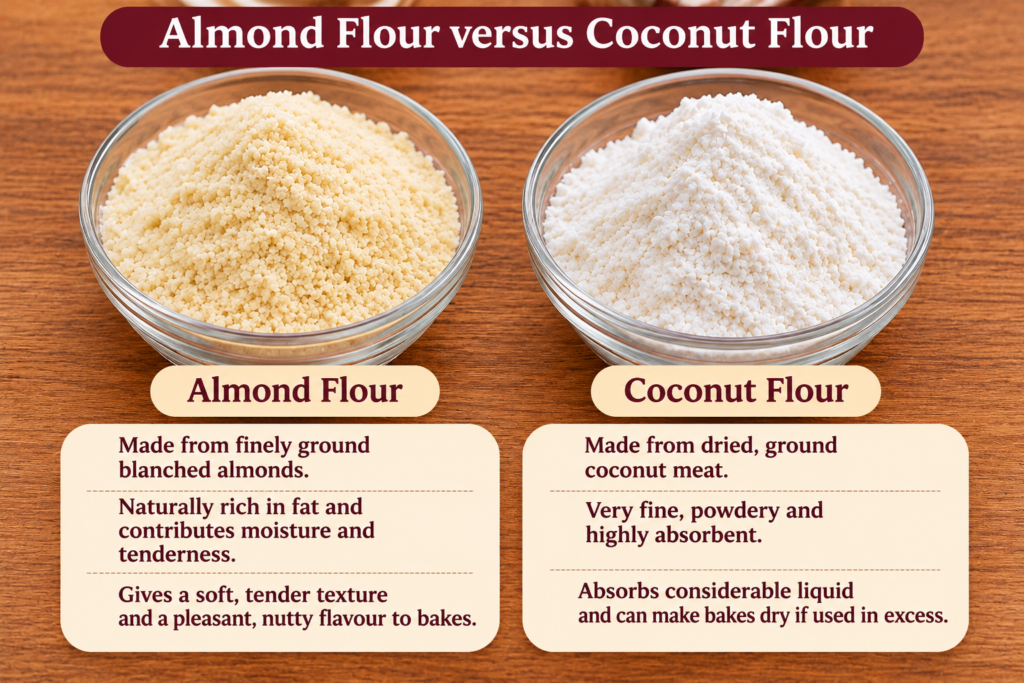
Almond flour behaves differently from grain flours because it naturally contains a considerable amount of fat.
When you use almond flour, you are already adding fat through the flour itself. If the recipe also contains a generous amount of butter or oil, the finished cookies may feel greasy or heavy.
If the dough feels oily before baking:
Examine the proportion of added fat and whether the almond flour has been measured accurately.
If the cookies spread excessively:
Consider the combined fat and moisture in the formulation, along with the dough’s consistency before baking.
If the cookies feel heavy rather than tender:
The flour combination may need more structure. Look at the proportion of almond flour and whether the recipe includes ingredients that help hold the cookies together.
Also distinguish between almond flour and almond meal. Blanched almond flour is generally finer and made from almonds without their skins. Almond meal is often coarser and may contain the skins. The difference can affect the appearance and texture of your bake.
For a closer look at its uses and behaviour, read my Almond Flour in Gluten-Free Baking.
5. Why Does Gluten-Free Bread Lack Structure or Volume?
Gluten-free bread needs a suitable combination of grain flours, starches, liquid and binding ingredients. Unlike wheat dough, it does not develop an elastic gluten network.
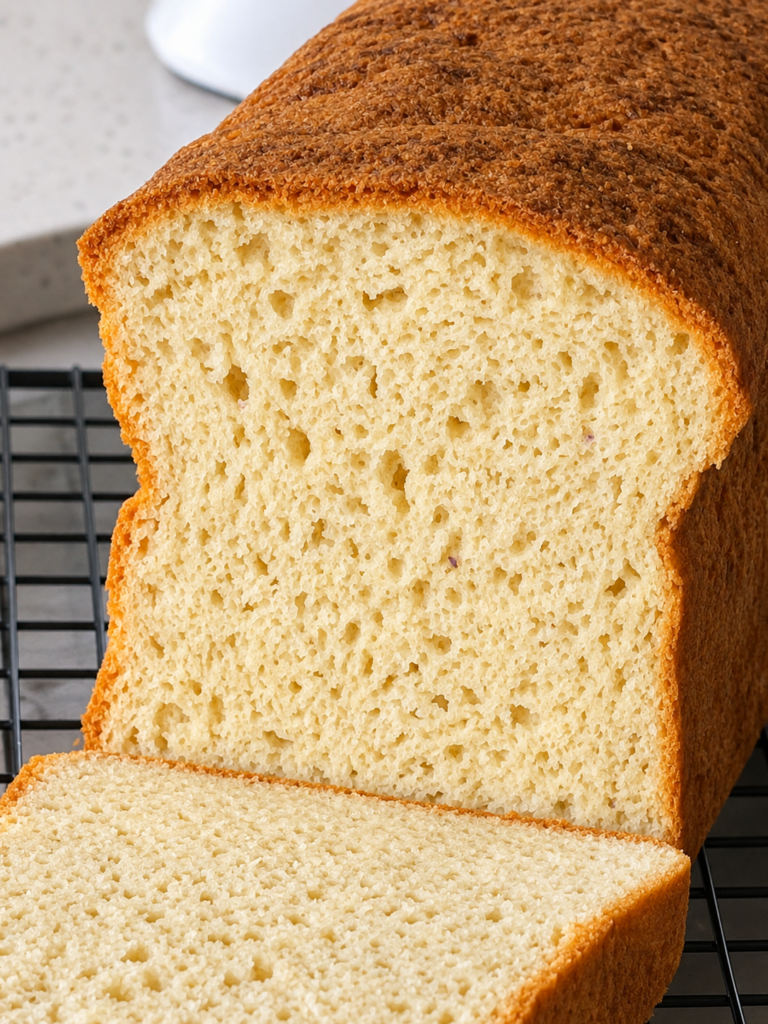
If your loaf spreads, collapses or feels dense, look at the formulation as a whole.
If the dough spreads too much:
The hydration may be too high for the flour and binder combination, or the mixture may not have enough structure to hold its shape.
If the loaf rises but collapses:
The structure may not be strong enough to support the loaf. Excess liquid, insufficient binding or problems during baking can contribute.
If the bread is dense and has very little volume:
Consider the leavening, hydration and balance of grain flours and starches.
What about sticky dough?
A sticky gluten-free bread dough is not necessarily a failed dough. Some formulations are meant to be soft and sticky before baking.
Do not add extra flour simply because the mixture feels sticky. First consider whether the recipe uses a hydrated psyllium gel, how much liquid the flour blend absorbs and what consistency the dough is meant to have.
Psyllium husk and xanthan gum also perform different functions. Psyllium absorbs water and forms a gel that helps support the bread structure. Xanthan gum increases viscosity and helps bind ingredients. The quantity and hydration method matter, so they should not be treated as direct substitutes.
You can see how different ingredients work together in my Gluten-Free Grain Harmony Bread.
6. Why Is the Centre of My Gluten-Free Bread Gummy?
A gummy centre is one of the more frustrating gluten-free bread problems. The outside may look properly baked, but the middle feels wet, sticky or pasty when sliced.
First, distinguish between three situations.
The centre is genuinely underbaked:
The crumb may look wet and pasty, and the loaf may not have developed enough internal structure. Check the baking time, oven temperature and loaf size.
The crumb feels sticky even after baking:
Excess hydration, the proportion of starch or insufficient baking can contribute. The formulation needs to be considered rather than changing the flour alone.
The bread was sliced while still warm:
The crumb may not have finished setting. Gluten-free bread often needs to cool completely before slicing. Cutting too early can make the centre appear gummy even when the loaf has been baked adequately.
What should you investigate?
Check the loaf’s internal texture after complete cooling. Also consider the pan size, loaf thickness, oven temperature and baking time. A larger or taller loaf may need more time for the centre to bake through.
My article on Red Lentil Bread Problems explains how to distinguish a gummy crumb from other texture problems in a gluten-free loaf.
7. Why Do Coconut Flour Bakes Turn Dry?
Coconut flour absorbs considerably more liquid than many other gluten-free flours. This is one reason it needs a recipe developed specifically for it.
If you replace rice flour or another grain flour with coconut flour in the same quantity, the mixture may become too thick and the finished bake may turn dry or dense.
However, it is useful to look at when the problem appears.
If the batter becomes unusually thick immediately after mixing:
The flour may be absorbing more liquid than the original recipe allows for. Check whether the recipe was actually developed using coconut flour.
If the batter looks suitable but the finished bake is dry:
The problem may not be absorption alone. Examine the baking time and temperature, along with the fat and liquid balance.
If the bake is dense and compact:
Consider the complete formulation, including the binding ingredients. Coconut flour’s high fibre content and absorption characteristics mean that the other ingredients need to provide the required structure.
What should you investigate?
Look at the consistency of the batter before baking, then compare it with the texture of the finished crumb. These observations help distinguish excessive absorption from overbaking or an unsuitable formulation.
Coconut flour is not a direct substitute for rice flour, almond flour or sorghum flour. Its high absorption needs to be considered when developing the entire recipe.
8. Why Does Millet Flour Sometimes Taste Strong or Bitter?
Millet flour can add a pleasant wholegrain character to gluten-free baking, but its flavour varies depending on the variety and freshness.
It is important to distinguish the natural earthy flavour of millet from an unpleasant bitter taste.
If the bake has a strong but otherwise pleasant wholegrain flavour:
The variety may naturally have a more pronounced taste, or the proportion of millet may be high for the particular recipe.
If the flavour is unpleasantly bitter:
Check the freshness and storage of the flour. A stale or rancid smell is a warning sign, particularly in wholegrain flours that contain natural oils.
If the flavour becomes overpowering in the finished bake:
The quantity of millet may not be balanced with the other flours and flavouring ingredients.
What should you investigate?
Taste and smell the flour before using it. If it already tastes unpleasantly bitter or smells stale, do not try to cover the problem with more sugar or spices.
If the flour is fresh, consider adjusting its proportion in the formulation rather than assuming all millet flour behaves the same way.
You can explore different millet-based baking ideas in my Millet Cookies collection.
9. Why Does a Bake Become Chewy or Sticky After Changing the Flour?
Sometimes a bake looks perfectly normal but has a chewy or sticky texture after you change one of the flours.
Sweet rice flour is one ingredient worth understanding here. Despite its name, it is not sweetened rice flour. It is made from glutinous rice and contains a high proportion of amylopectin, a starch that produces a sticky, cohesive texture.
It can be useful in certain formulations, but using too much may make a bake noticeably chewy or sticky.
A similar problem can occur when the overall starch proportion becomes too high for the recipe.
What should you investigate?
Look at the ingredient list of the flour blend you are using. Some commercial gluten-free blends contain several starches, while others rely more heavily on grain flours.
If you have changed brands, compare the ingredients rather than assuming that all gluten-free blends will behave in the same way.
Gluten-Free Flour Comparison: Understanding What Each Flour Does
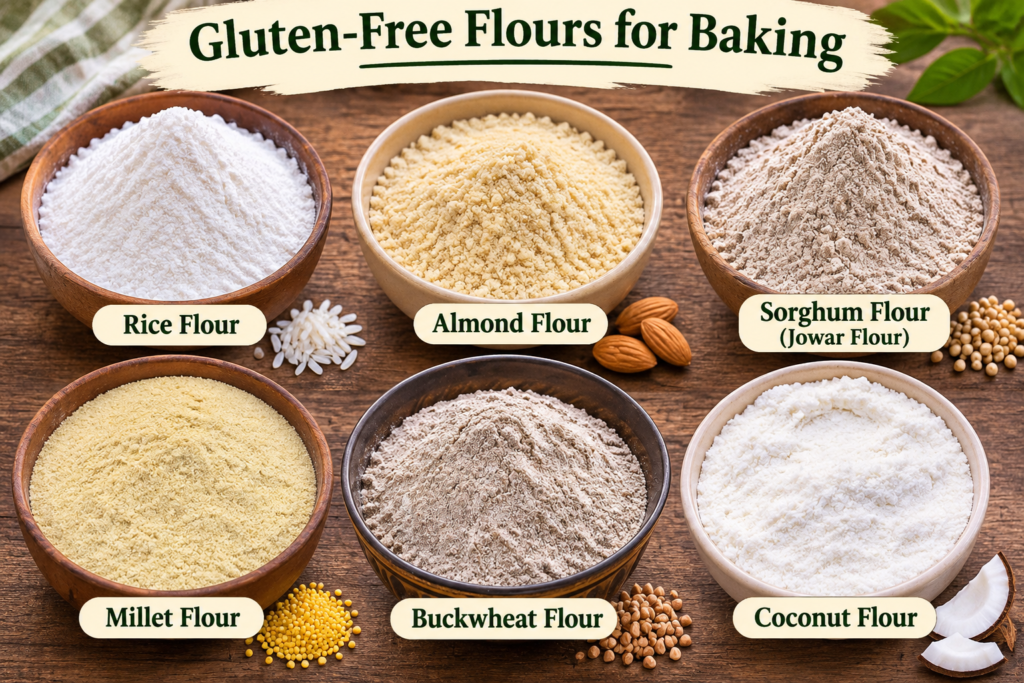
Individual gluten-free flours contribute different characteristics to a recipe. Understanding their role will help you make better decisions when choosing ingredients and recognizing possible causes of texture problems.
Rice Flour
Rice flour is widely used in gluten-free baking because of its relatively neutral flavour.
It can provide the base for cakes, cookies, pancakes and other baked goods. The fineness of the flour makes a noticeable difference to the finished texture.
For a balanced example of rice flour in a batter, see my Gluten-Free Pancakes.
Almond Flour
Almond flour contributes richness, moisture and tenderness. Its natural fat content also influences the overall formulation.
It is useful in cookies, cakes and other bakes where a richer texture is desirable. However, it does not behave like a grain flour.
For more details, see Almond Flour in Gluten-Free Baking.
Sorghum Flour
Sorghum flour, also known as jowar flour, has a mild, slightly sweet, wholegrain flavour.
It contributes body and flavour but does not provide the elasticity that wheat gluten gives to dough. In many formulations, sorghum works well alongside rice flour and starches.
You can see it used in my Eggless Gluten-Free Christmas Plum Cake with Sorghum Flour and Gluten-Free Grain Harmony Bread.
Millet Flour
Millet flour adds wholegrain flavour and variety to gluten-free baking. Different millet varieties have different flavours and characteristics, so they may not produce identical results.
It can be used in cookies and other bakes, either in a suitable formulation or as part of a flour combination. The proportion used is important, particularly when you want to maintain a mild flavour.
You can explore different millet-based baking ideas in my Millet Cookies collection.
Buckwheat Flour
Buckwheat flour has a distinctive earthy flavour and is useful in a range of gluten-free recipes.
Despite its name, buckwheat is not related to wheat. It can contribute body and flavour, but its characteristic taste needs to suit the bake.
It is often used alongside starches and binding ingredients in breads and flatbread.
You can see an example in my Soft Gluten-Free Naan.
Coconut Flour
Coconut flour has a distinctive flavour and absorbs a large amount of liquid.
It is useful in recipes specifically developed around its absorption characteristics. However, it is not a direct substitute for rice flour, almond flour or other grain flours.
When working with coconut flour, the liquid and binding ingredients need to be considered as part of the complete formulation.
The Role of Starches, Binders and Hydration
Choosing a grain flour is only one part of gluten-free baking. Starches and binding ingredients also influence the final texture.
Starches
Potato starch, tapioca starch and cornflour (cornstarch) are commonly used in gluten-free formulations. They are not identical, and their effects depend on the recipe.
They can help improve texture and structure, depending on the formulation. However, an unsuitable balance of starch, liquid and grain flour may produce a gummy, chewy or overly soft result.
What to watch for: If a bake becomes unusually sticky or chewy after changing a flour blend, compare the starch ingredients and their proportions. The problem may be the balance of the blend rather than one individual flour.
Binding Ingredients
Gluten-free recipes often use ingredients such as xanthan gum, psyllium husk and flaxseed meal to help provide structure.
They do not perform exactly the same function.
- Xanthan gum increases viscosity and helps bind ingredients.
- Psyllium husk absorbs water and forms a gel that supports structure, particularly in gluten-free bread.
- Flaxseed gel can help bind ingredients and is useful in some eggless formulations.
What to watch for: If bread spreads or collapses, consider whether the binder is suitable for the recipe and whether it has been hydrated correctly. If a dough becomes excessively thick or difficult to handle, examine the quantity and hydration of the binder.
The choice depends on the type of bake and the structure required. I would not replace one binder with another without considering how the recipe has been developed. Also remember that whole psyllium husk and psyllium powder may behave differently, so follow the form specified in your recipe.
Hydration
Hydration is particularly important in gluten-free baking because different flours absorb different amounts of liquid.
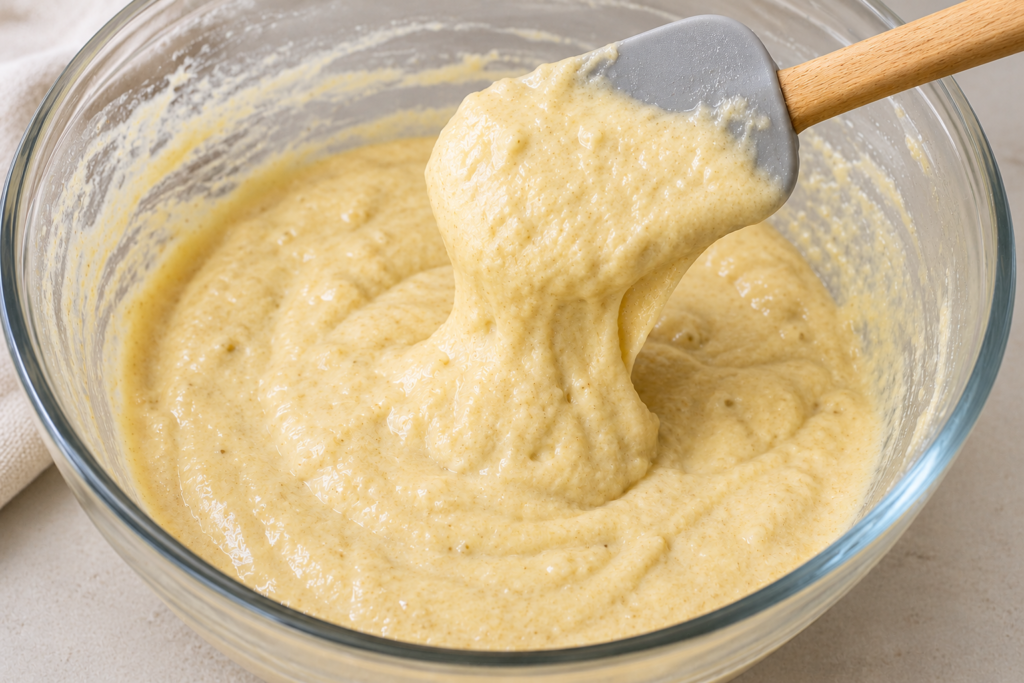
Rice flour, coconut flour, almond flour and millet flour do not behave identically. Even two brands of the same flour may differ in milling fineness and absorption.
If the batter becomes thicker while resting: The flour may be continuing to absorb liquid. Observe how much the consistency changes before making an adjustment.
If the bread dough is sticky: Consider the role of psyllium or other binders and the consistency intended by the formulation. Stickiness alone is not a reason to add more flour.
If the finished bake is dry: Investigate the flour’s absorption alongside baking time, temperature and the amount of fat and liquid.
Weighing your ingredients rather than relying only on cups will help you achieve more consistent results.
Can You Substitute One Gluten-Free Flour for Another?
This is a common question, particularly when a recipe calls for a flour that is not readily available.
The answer depends on the flour and the recipe.
Coconut flour for rice flour: These are not direct substitutes. Coconut flour absorbs much more liquid and needs a different formulation.
Almond flour for rice flour: Almond flour contains natural fat and behaves differently from a grain flour. Replacing rice flour with almond flour may change the moisture, structure and spread of the bake.
Buckwheat flour for sorghum flour: Both are wholegrain gluten-free options, but their flavours and baking characteristics differ.
Millet flour for rice flour: Millet has a more distinctive flavour and may change the texture of the finished product.
Sweet rice flour for regular rice flour: These are particularly important to distinguish. Sweet rice flour has different starch characteristics and can produce a stickier texture.
When making a substitution, consider what the original flour contributes to the recipe. Is it providing body, absorbing liquid, contributing fat or helping with structure? Finding an alternative with a similar function is a better starting point than simply exchanging equal weights.
How to Test a New Gluten-Free Flour
When you buy a new flour or change brands, it is worth testing it before using it in a larger batch.
Here is the approach I follow:
- Check the flour itself. Notice its colour, smell and fineness. A coarse flour may affect the texture even when the recipe proportions are correct.
- Understand its role. Is it a grain flour, starch or binding ingredient? Each contributes something different.
- Observe the batter or dough. Look at its consistency before baking. Is it unusually thick, thin, sticky or dry?
- Keep other ingredients consistent. Avoid changing the flour, liquid and fat quantities together.
- Allow the bake to cool. Some gluten-free cakes, cookies and breads develop their final texture only after cooling.
- Record the result. Note the flour brand, quantity, liquid used, baking temperature and final texture.
A small test batch can tell you much more than making several changes to a full recipe at once.
How to Store Gluten-Free Flours
Proper storage is important because the freshness of the flour can affect both flavour and baking quality.
Wholegrain flours and nut-based flours may contain natural oils that can become rancid over time.
I recommend the following precautions:
- Store flour in clean, airtight containers.
- Keep it away from heat, moisture and direct sunlight.
- Label containers with the purchase or opening date.
- Refrigerate or freeze flours when appropriate, particularly nut-based and wholegrain varieties.
- Allow refrigerated flour to return to room temperature while still sealed before opening, to reduce condensation.
Always check the smell and appearance before using flour that has been stored for a long time. If it smells stale, musty or rancid, it is better not to use it.
Frequently Asked Questions About Gluten-Free Flours
Do all gluten-free baking recipes need a flour blend?
No. Some recipes work well with a single flour, while others need a combination of grain flours and starches. The choice depends on the structure and texture required.
Can I use millet flour on its own?
That depends on the bake. Millet flour has a distinctive flavour and its own absorption characteristics. Used alone, it can produce a different texture from a balanced flour combination.
Are gluten-free, eggless and vegan baking the same?
No. Gluten-free baking excludes gluten-containing ingredients, eggless baking excludes eggs, and vegan baking excludes ingredients derived from animals. A recipe can meet one, two or all three requirements.
Why does the same gluten-free recipe sometimes give different results?
Flour brand, milling fineness, ingredient measurement, room conditions, pan size and oven temperature can all affect the result. Even small differences in flour absorption may change the consistency of a batter or dough. Weighing ingredients and keeping baking conditions consistent will make it easier to identify the cause of a problem.
Understand the Flour Before Changing the Recipe
Choosing the right gluten-free flour is not simply about finding a replacement for wheat flour. Each flour behaves differently, and its effect depends on the starches, binders, liquid and fat used in the recipe.
When a cake turns gritty, cookies crumble or bread develops a gummy centre, look closely at the symptom before changing the flour. Sometimes the flour is responsible. At other times, the problem may come from hydration, mixing, baking or cooling.
I always recommend understanding what has gone wrong before making an adjustment. Observe the batter or dough, consider how the ingredients are working together, and change one factor at a time. This approach will help you make more consistent gluten-free bakes and understand your ingredients with greater confidence.
For a broader understanding of gluten-free ingredients, techniques and common baking problems, continue with my Gluten-Free Baking Guide.
Sharmila Sengupta | Baking Expert & Educator | 25+ Years of Baking Experience