
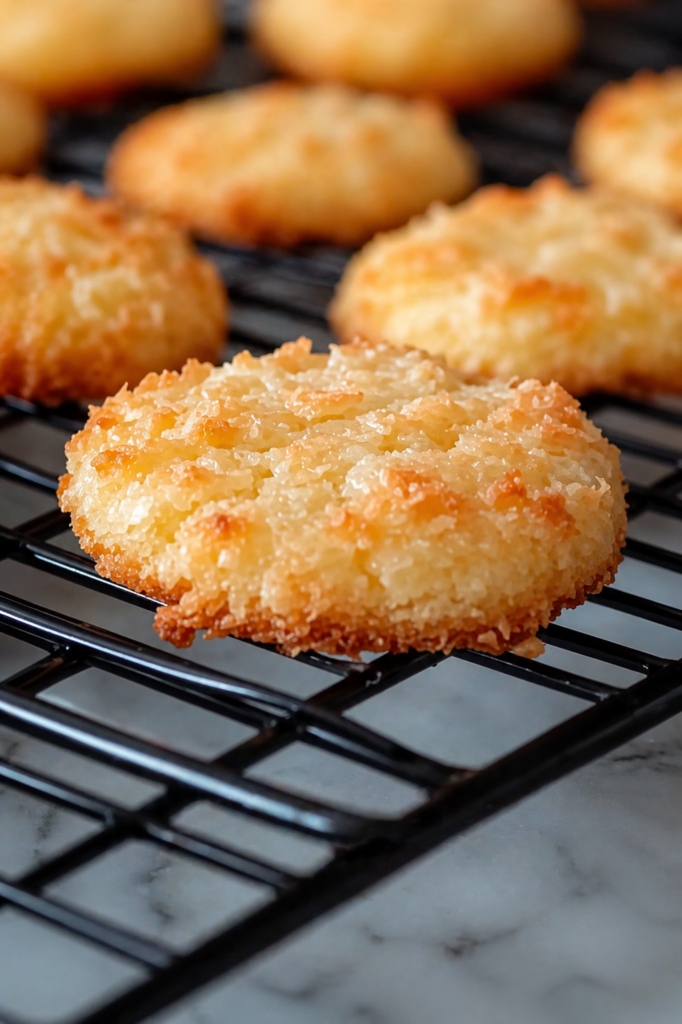
When cookies turn out dry, crumbly, or flat, it’s frustrating—especially when you followed the recipe exactly. But in most cases, the issue isn’t the recipe itself. It’s the small, overlooked baking details that determine whether your cookies come out soft and perfect or disappointing.
These eggless gluten-free almond coconut cookies are designed to eliminate those common failures. They deliver a soft center, lightly crisp edges, and a naturally rich flavor from coconut and almond—without complicated steps or ingredients.
More importantly, once we understand the core baking principles behind texture and structure, consistency becomes effortless.
👉 Dry or crumbly cookies? Watch this before you bake 👇
Why gluten-free cookies fail (and how to fix them)
Understand what affects texture and moisture so your cookies turn out soft every time.
Video credit: Simply Gluten Free Kitchen on YouTube
⏱ Key moments to watch:
- 0:22 – Main issue explained
- 1:05 – What’s causing the problem
- 2:10 – How to fix it
- 3:10 – Practical tips
Now let’s apply this to your recipe step by step.
How to Make Almond Coconut Cookies
First, combine almond flour, desiccated coconut, and coconut sugar in a bowl. Mix well so everything is evenly distributed.
Next, add the flax egg and melted coconut oil. Then, mix gently until a soft dough forms.
After that, shape the dough into small balls. Then, flatten them slightly. However, do not press too much, as the cookies will spread while baking.
Meanwhile, preheat your oven if you haven’t already. Then, place the cookies on a baking tray.
Finally, bake at 170°C (340°F) for 12–14 minutes. Keep an eye on the edges. Once they turn golden, remove the cookies from the oven.
As a result, you get cookies that are soft, chewy, and perfectly structured every time.
Why Almond Coconut Cookies Fail (And Exact Fixes That Work)
Even simple recipes can go wrong. However, every issue has a clear technical cause and a precise fix.
❌ Cookies Turn Too Dry
Cause: Excess baking time removes moisture
Fix: Remove cookies when edges are golden but centers remain soft
Residual heat continues cooking the cookies after removal, so slight underbaking ensures optimal texture.
❌ Cookies Fall Apart or Crumble
Cause: Weak binding due to lack of structure
Fix: Use the correct flax egg ratio (1 tbsp flaxseed + 2.5 tbsp water)
The flax gel acts as a natural binder, replacing eggs and holding the dough together.
❌ Dense or Heavy Texture
Cause: Incorrect flour measurement or imbalance
Fix: Use lightly packed almond flour, not compressed
Almond flour is naturally dense, so overpacking leads to heavy, compact cookies instead of soft ones.
👉 If you’ve noticed similar texture issues in baking, especially with cakes, read this detailed guide on why baked goods turn dense and how to fix them:
https://cookeryexpressions.co.in/why-is-my-cake-dense/
👉 Flat, greasy, or soft cookies? Watch this before you bake 👇
How to make almond flour cookies soft and chewy (eggless)
Get the exact method to control spread, texture, and structure for perfect cookies every time.
Video credit: Detoxinista on YouTube
⏱ Key moments to watch:
- 0:18 – What makes these cookies unique
- 0:45 – Ingredients and setup
- 1:30 – Mixing technique
- 3:00 – Baking and final result
The right tools help you achieve a soft, fluffy texture every time. Here’s what to use.
Recommended Tools for Better Results
Precision in baking starts with using the right tools. These ensure even baking, proper mixing, and better texture control.
⭐ Mixing Bowl
✔ Promotes even ingredient distribution
✔ Prevents uneven hydration of dough
👉 Upgrade your mixing for smoother dough and better results → https://a.co/d/0cA1dHH5
⭐ Baking Tray
✔ Ensures uniform heat circulation
✔ Prevents burning at the base
👉 Use this for evenly baked cookies every single time → https://a.co/d/02IbUVMS
⭐ Silicone Spatula
✔ Allows smooth folding without over mixing
✔ Minimizes ingredient waste
👉 Get perfect mixing without ruining your dough texture → https://a.co/d/09oD4QkT
Ingredients for Almond Coconut Cookies
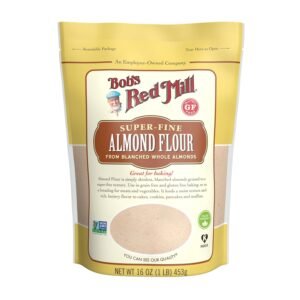
- 1 cup blanched almond flour
- 👉 Use finely ground almond flour for soft, bakery-style cookies
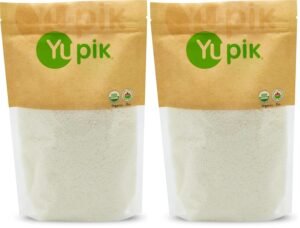
- 1/2 cup desiccated coconut
- 👉 Adds natural texture and a light coconut flavor
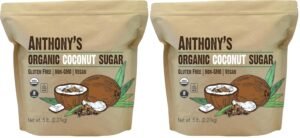
- 1/3 cup coconut sugar
- 👉 Adds a rich, caramel-like sweetness without refined sugar
- 1/4 cup melted coconut oil
- 1 tbsp flaxseed meal + 2.5 tbsp water (flax egg)
- 1 tsp vanilla extract
- 1/2 tsp baking powder
Each ingredient plays a functional role:
- Almond flour provides structure and softness
- Coconut adds texture and flavor depth
- Flax egg ensures binding
- Coconut oil maintains moisture
If you’re new to gluten-free baking, understanding ingredient behavior makes a big difference.
👉 Start here: https://cookeryexpressions.co.in/gluten-free-baking-guide/
👩🍳 Step-by-Step Method for Perfect Cookies
Step 1: Preheat Oven Correctly
Preheat to 170°C (340°F).
Tip: Proper preheating ensures even heat distribution, preventing raw centers or burnt edges.
👉 If you’re unsure about oven settings, read this complete guide:
https://cookeryexpressions.co.in/how-to-use-oven-for-baking/
Step 2: Prepare the Flax Egg
Mix flaxseed meal with water and let sit for 5 minutes until thick.
This step is critical for binding and moisture retention.
Step 3: Combine Dry Ingredients
In a bowl, mix:
- Almond flour
- Desiccated coconut
- Coconut sugar
- Baking powder
Ensure even mixing to avoid uneven texture pockets.
Step 4: Add Wet Ingredients
Add:
- Flax egg
- Melted coconut oil
- Vanilla extract
Mix until a soft, cohesive dough forms.
Step 5: Shape the Cookies
Roll dough into small balls and flatten gently.
Tip: Do not over-flatten—cookies spread slightly during baking.
Step 6: Bake with Precision
Bake for 12–14 minutes.
Tip: Slightly underbake for a soft and chewy center.
Step 7: Cool Before Serving
Let cookies cool completely on the tray.
Cooling allows structure to set, giving cookies their final texture and firmness.
Pro Tips for Soft and Chewy Almond Coconut Cookies
First, avoid overbaking. This helps retain moisture and keeps the cookies soft.
Next, use fresh almond flour. Fresh flour gives a better texture and prevents dryness.
Also, allow the cookies to cool completely before handling. At first, they may feel soft. However, they firm up as they cool.
In addition, measure ingredients accurately. This ensures the right balance and consistent results.
Small technique changes make a big difference in texture. As a result, your cookies turn out soft, chewy, and reliable every time.
Storage and Shelf Life
To begin with, store the cookies in an airtight container. This keeps them fresh for up to 5 days.
For best results, keep them at room temperature. This helps maintain their texture.
Before serving, you can warm them slightly. This restores softness and improves taste.
For longer storage, freeze the cookies for 2–3 months.
When ready to eat, reheat them gently. As a result, they taste fresh and soft again.
Almond Coconut Cookies FAQs
1. Do almond coconut cookies taste dry or crumbly?
No. When baked correctly, almond coconut cookies are soft in the center and lightly crisp on the edges. Dry texture usually happens due to overbaking or incorrect ingredient balance.
2. Why are my almond coconut cookies crumbly and falling apart?
Almond coconut cookies become crumbly when there is insufficient binding or too little moisture. Using the correct flax egg ratio and allowing cookies to cool completely helps them hold their shape.
3. How do I prevent almond flour cookies from becoming too dry?
To avoid dry almond flour cookies, do not overbake and remove them when the center is still soft. Almond flour lacks gluten, so moisture control is essential for soft texture.
4. Why is my almond coconut cookie dough too sticky or too dry?
Sticky dough usually comes from excess moisture, while dry dough indicates insufficient fat or liquid. Adjust with small amounts of coconut oil or almond flour to balance the consistency.
5. How do I get chewy almond coconut cookies with crisp edges?
For the perfect texture, bake at the correct temperature and slightly underbake the cookies. This ensures a chewy center while the edges turn golden and crisp.
6. Should I pack almond flour when measuring for cookies?
No. Always spoon and level almond flour instead of packing it. Packed almond flour leads to dense, heavy cookies instead of soft and tender ones.
7. Why do almond coconut cookies need to cool on the tray?
Almond coconut cookies are fragile when hot. Letting them cool completely on the baking tray allows them to firm up naturally and prevents breakage.
8. What type of coconut is best for almond coconut cookies?
Unsweetened desiccated coconut or shredded coconut works best. It provides the right texture without adding excess moisture or sweetness.
9. Can I make almond coconut cookies vegan and gluten-free?
Yes. These cookies are naturally eggless, vegan, and gluten-free when made with plant-based ingredients like flax egg and coconut oil.
10. Are almond coconut cookies healthy or high in calories?
Almond coconut cookies are made with wholesome ingredients, but they are calorie-dense due to nuts and coconut oil. Portion control is key while enjoying them as a healthier treat.
🔗 Try These Next Recipes
These recipes complement the same gluten-free baking foundation and improve baking skills further.
Customization Ideas
- Add orange or lemon zest for brightness
- Drizzle dark chocolate for richness
- Mix in nuts or dried fruits for texture
These variations allow you to personalize flavor without affecting structure.
Bake with Confidence
Once you understand the balance of moisture, binding, and baking time, these cookies become incredibly reliable. Instead of guessing, you gain control—and that’s what transforms baking from inconsistent to effortless.
🚀 Want More Advanced Baking Results?
If you’re ready to go beyond basic recipes and master gluten-free baking with precision, explore a structured approach with step-by-step techniques, ingredient science, and professional-level recipes.
👉 Take your baking to the next level with deeper guidance and proven methods
 Read This If You’re Tired of Overthinking
If you enjoy baking but still feel mentally overwhelmed, you’re not alone. Overthinking, emotional burnout, and daily stress can make it hard to relax—even during simple moments.

You Win When You Don’t Play is a short, practical guide to help you stop overthinking, let go of mental stress, and feel calmer in everyday life.
My book, You Win When You Don’t Play—an Amazon #1 Bestseller—is available on Kindle Unlimited. It’s a quick 90-minute read focused on reducing overthinking, building emotional clarity, and finding inner peace.
It will help you:
- Stop overthinking and mental loops
- Release stress and emotional pressure
- Build calm, clarity, and focus
 Read it on Amazon: You Win When You Don’t Play