
Online Gluten-Free Bread Course – Learn 8 Egg-Free Bread Recipes
If you have been looking for a gluten-free bread course that helps you understand the techniques involved in making bread without wheat or eggs, I have designed this course to guide you through eight different breads.
I often meet home bakers who want to make their own gluten-free bread but are unsure about the ingredients, batter consistency and how to handle these mixtures. Gluten-free bread baking is quite different from conventional bread making. Each ingredient has a role to play, and I have found that understanding how they work together makes a real difference to the finished bread.
With over 25 years of baking experience, I have designed this online course to help you learn to make eight different egg-free, gluten-free breads. Through step-by-step video demonstrations, I will show you how I prepare each bread, work with the ingredients and handle the mixtures at different stages.
I believe learning to bake becomes much easier when you understand what you are doing and why. Rather than simply following recipe instructions, I want you to notice how the mixtures behave, recognise what to look for at each stage and gradually become more confident making gluten-free breads in your own kitchen.
Explore the eight breads you will learn
I have selected eight different breads for this course to introduce you to the variety of gluten-free baking. Each recipe uses its own combination of ingredients and preparation methods. As you will see, there is quite a difference in how these breads are prepared.
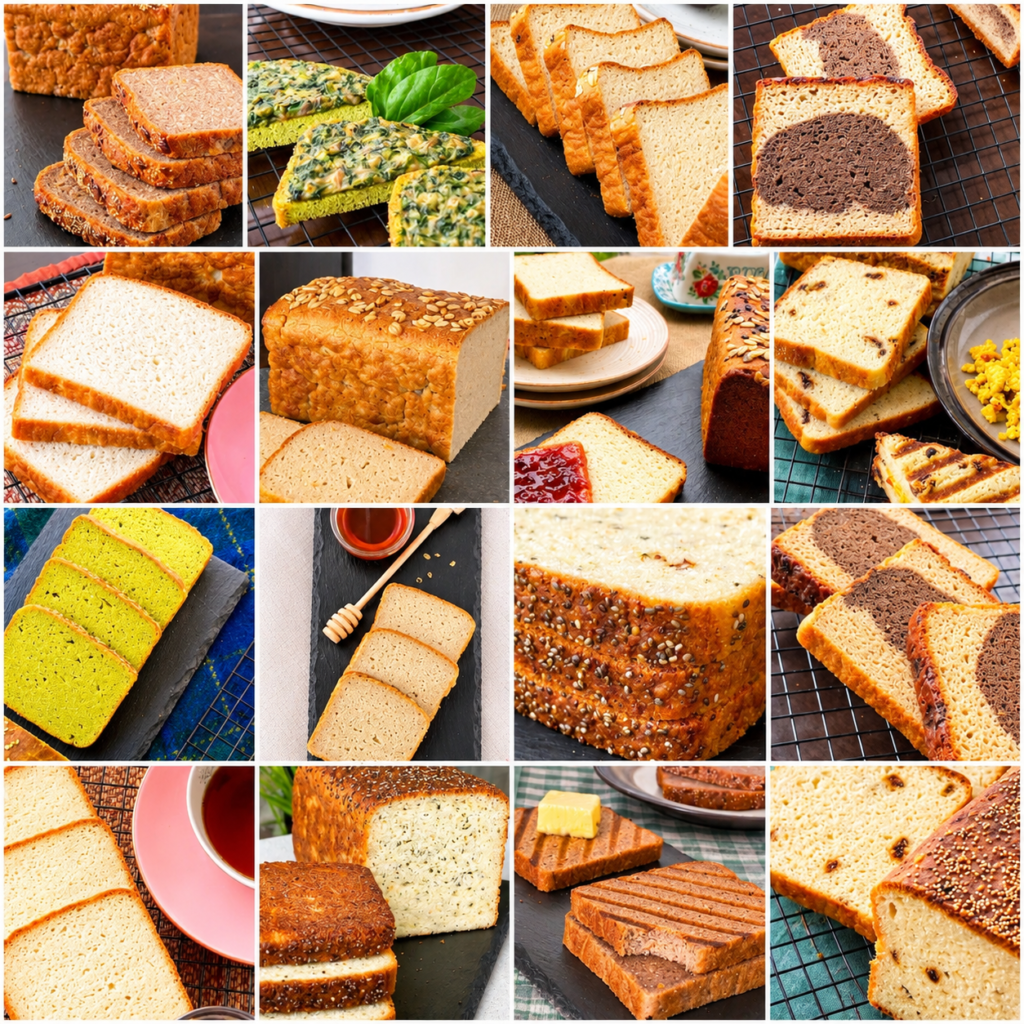
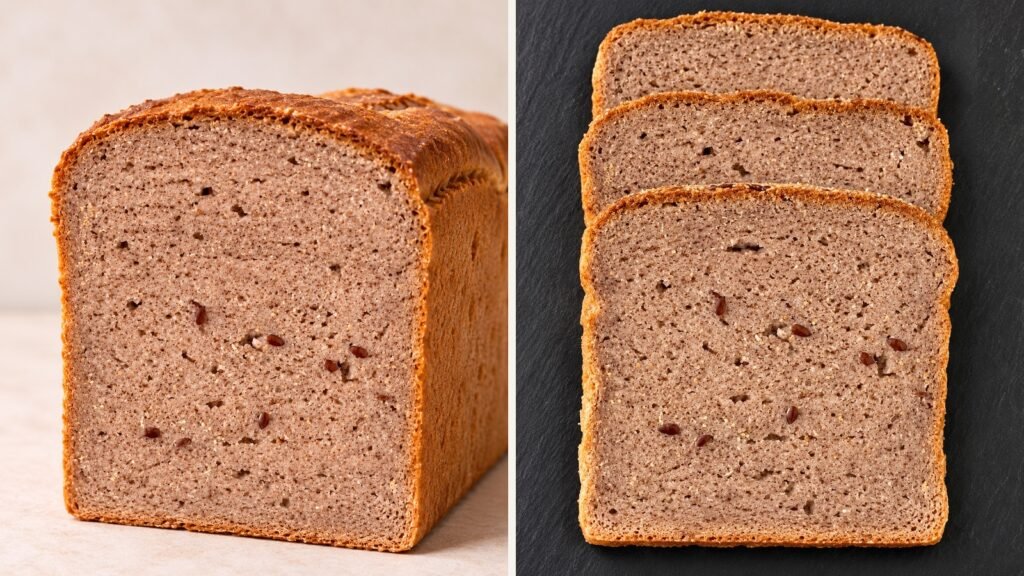
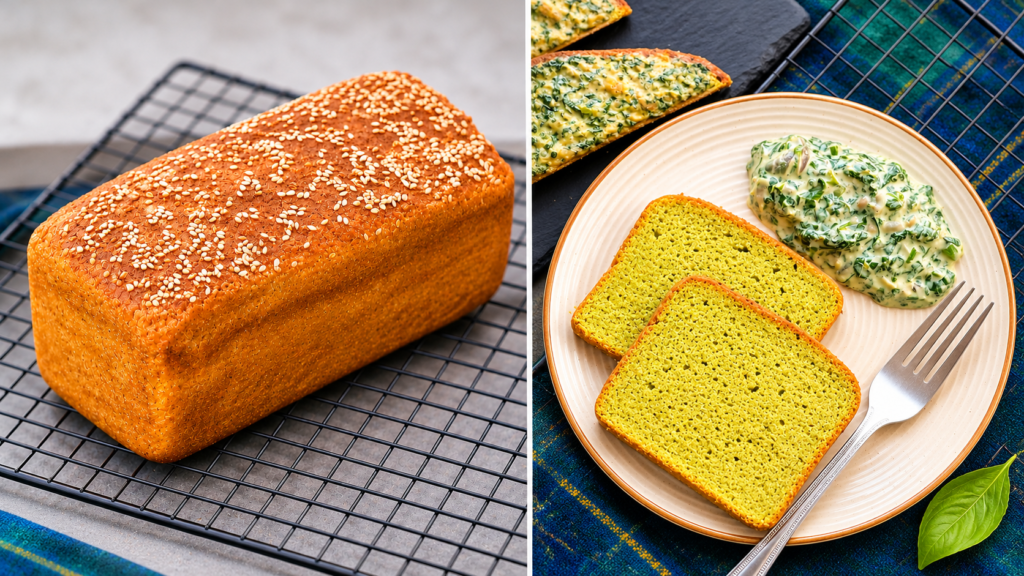
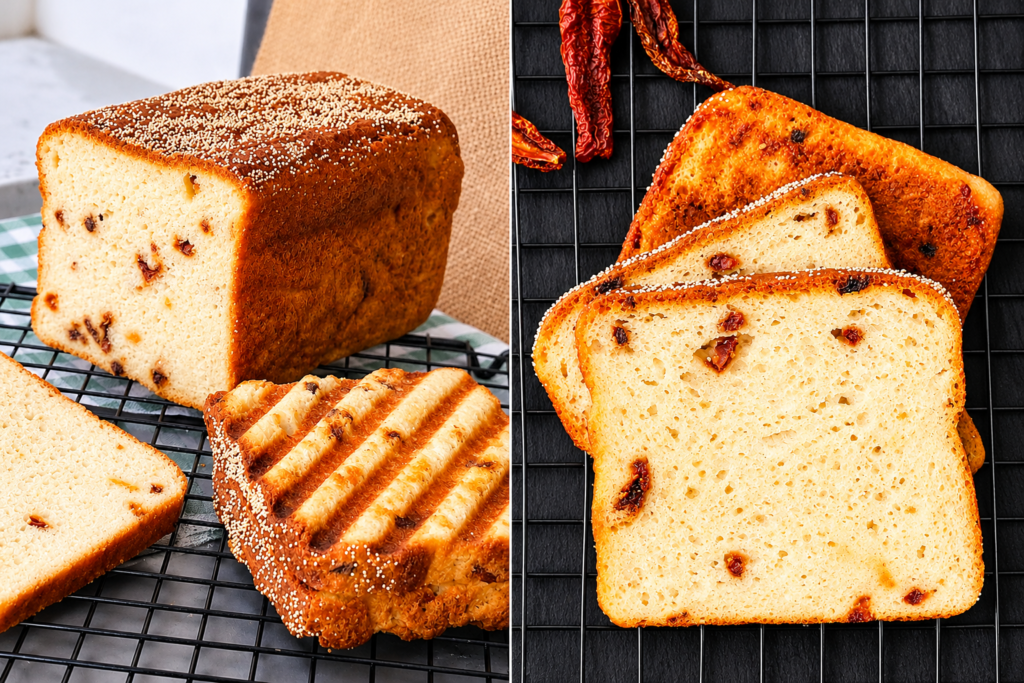
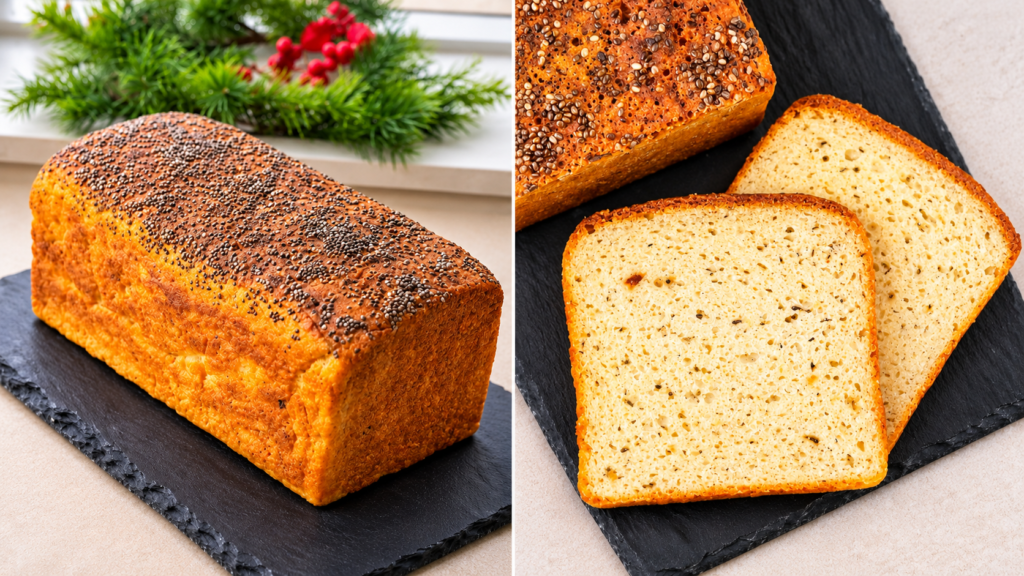
Here are the eight breads you will learn to make.
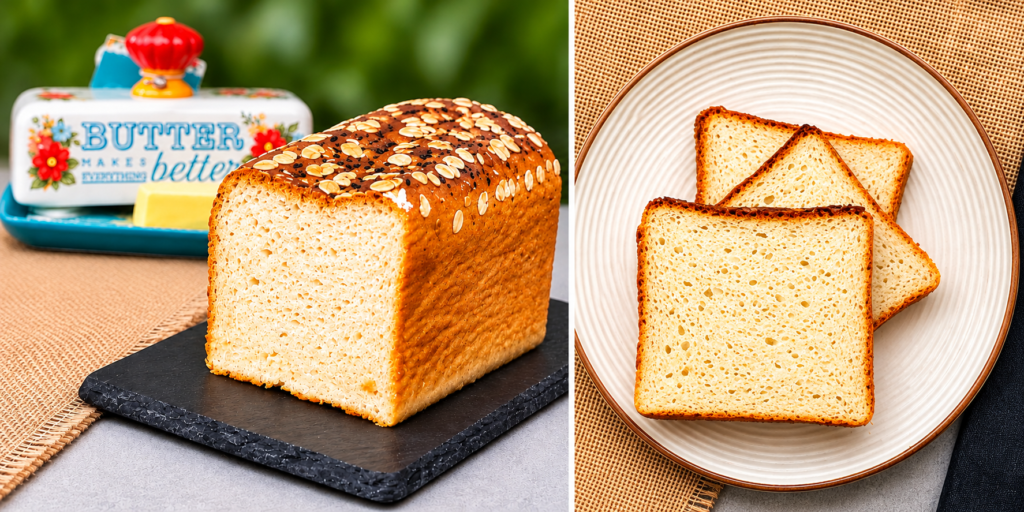
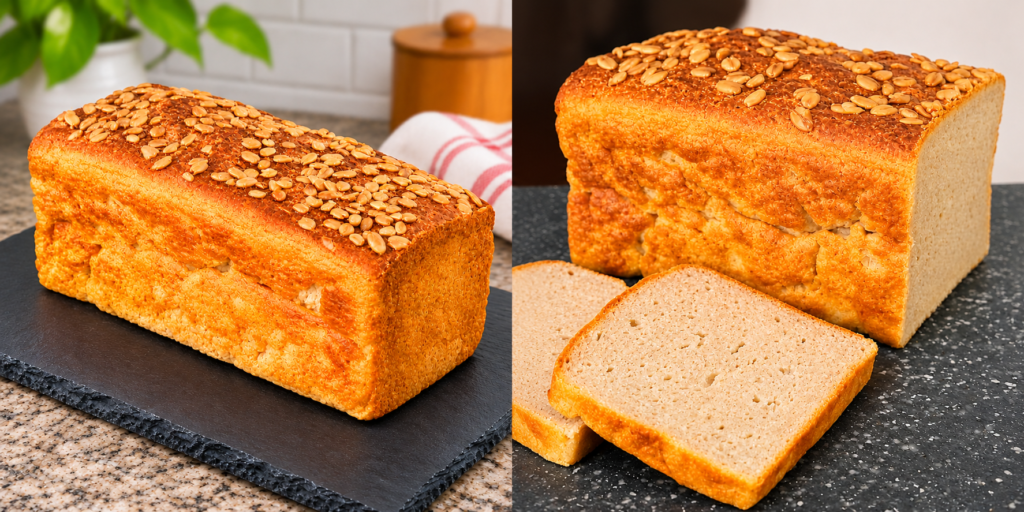
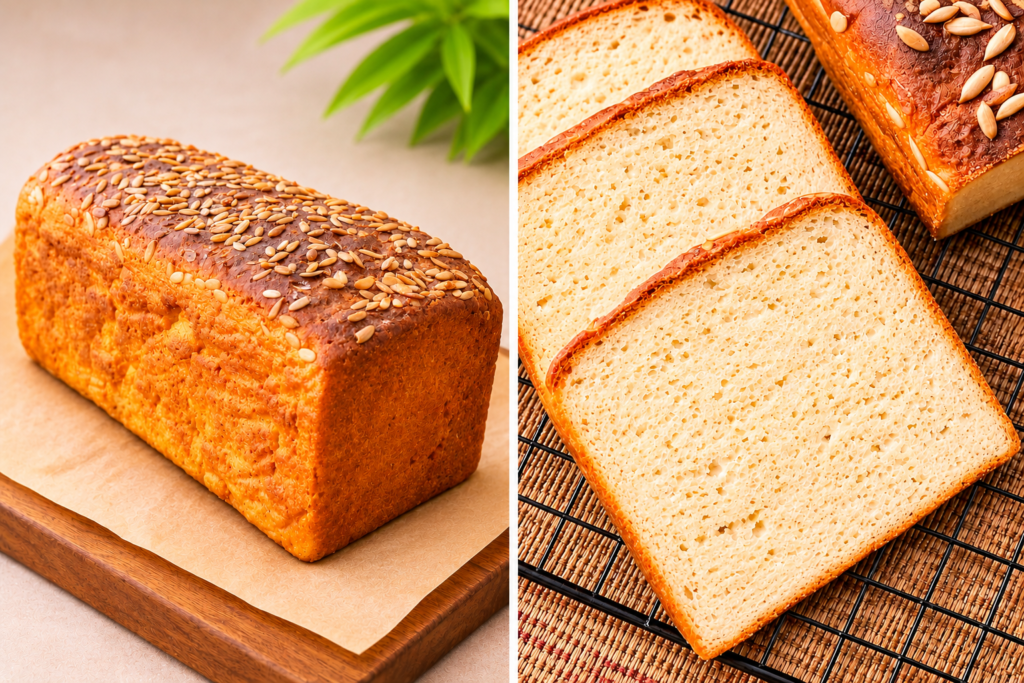
A Preview of the Online Classes
Here is a short preview from one of my recorded lessons. It will give you an idea of how I demonstrate the techniques and guide my students through gluten-free bread baking.
Over the years, I have learnt that choosing the right ingredients and measuring them accurately are important, but there is more to bread baking than simply following a recipe. I encourage my students to observe the dough as they work with it. Does it hold its shape, spread a little or feel firmer than expected? These small differences can tell you a lot. With practice, you begin to recognise how the dough should look and feel at different stages.
I am just as particular about the baking process. I take care to prepare the tin as instructed and allow the oven to preheat fully before putting the bread in. These details matter because the right oven temperature helps the bread bake through evenly, giving the crust time to develop without leaving the centre underbaked.
All course videos come with lifetime access, so you can revisit a lesson whenever you need to review a technique or look at a particular step again.
Will I Be Able to Learn Gluten-Free Bread Baking Online?
I understand why many people prefer attending baking classes in person. When you are learning to bake bread, being able to touch the dough, feel its consistency and ask questions as you work can be reassuring. An instructor can also notice small differences in your preparation that you may not recognise yourself.
Gluten-free bread baking has its own challenges. Unlike wheat-based dough, gluten-free bread mixtures do not have one standard consistency. Depending on the flours, starches, liquid and binding ingredients used, a mixture may be soft and sticky, thick and batter-like, or firm enough to shape by hand. What matters is knowing the consistency expected for the particular bread and at each stage of its preparation.
In my online classes, I demonstrate each stage and explain what to look for. Some mixtures need to be transferred directly into a loaf tin, while others can be shaped by hand. If your mixture seems much stiffer or thinner than expected at a particular stage, I would suggest checking the preparation before making any adjustments. Have you weighed the ingredients correctly and used the specified flour and starch combination? Was the prescribed quantity of liquid added, and were the ingredients mixed in the correct sequence? If the recipe calls for a resting period, that matters too. These details can all influence the consistency of the mixture. Adding more flour or water without first understanding the reason for the difference can affect the texture of the finished bread.
You can pause the recorded lessons and work alongside me in your own kitchen. If you are unsure about a particular step or encounter a difficulty, you can contact me through WhatsApp. You can also share a photograph of your dough or preparation stage. This helps me assess its appearance and identify possible differences, although a photograph cannot always tell me exactly how the dough feels or behaves.
Learning gluten-free bread baking online does require practice, particularly if you are unfamiliar with these ingredients. All course videos come with lifetime access, so you can return to them whenever you need to.
What Will You Learn in This Course?
I want you to understand not just the recipes, but also why certain ingredients and techniques are used in each one.
As you work through the eight recipes, I will show you how to:
- Work with different flour combinations: See how different flours and starches contribute to the structure and texture of each bread.
- Recognise the correct batter consistency: Learn what the mixture should look and feel like before you transfer it to the baking pan.
- Handle gluten-free bread mixtures: Understand how I mix, prepare and transfer these batters, which need a different approach from conventional wheat dough.
- Understand the important stages of preparation: Notice what happens at each stage and why it matters to the finished bread.
You can revisit the videos whenever you need to, particularly when practising a recipe or checking a particular stage of preparation.
1. Gluten-Free Breakfast Loaf
A versatile breakfast bread prepared using a combination of rice flour, tapioca flour, potato starch and bajra flour.
The batter is soft and sticky, so I demonstrate how to handle it using the appropriate method rather than adding unnecessary flour.
2. Gluten-Free Sandwich Loaf with Sun-Dried Tomatoes and Garlic
A savoury sandwich loaf with the flavour of sun-dried tomatoes and garlic.
You will see how to handle the mixture with wet hands and why it is important not to add water directly when preparing this recipe.
3. Gluten-Free Spinach and Oat Bread with Creamy Spinach Topping
A savoury bread combining spinach and oats, finished with a creamy spinach topping.
One point I pay attention to here is the moisture released by spinach. Adding excess liquid can affect the consistency of the mixture, so the preparation method matters.
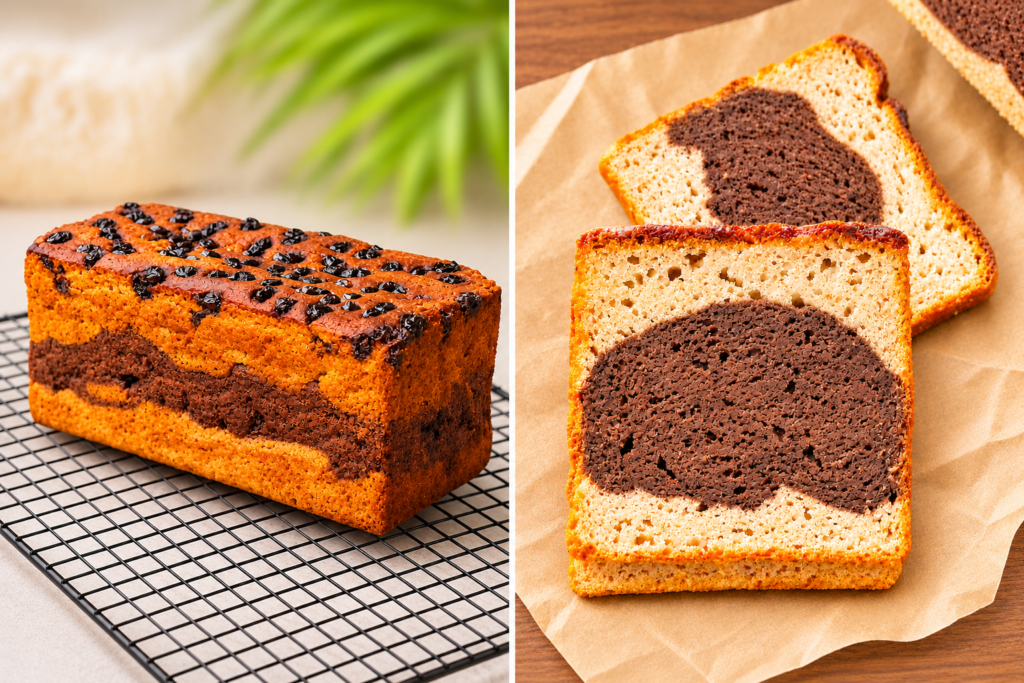
4. Gluten-Free Almond and Chocolate Bread
A bread with two contrasting flavours in the same loaf.
The batter is divided into two portions, cocoa is added to one portion, and the two mixtures are layered to create the chocolate-and-almond combination.
5. Gluten-Free Quinoa Bread
This recipe uses quinoa flour and sunflower seeds.
You will learn how to combine the ingredients and handle the mixture to prepare this distinctive gluten-free loaf.
6. Gluten-Free Zucchini Bread
A savoury-style loaf made with grated zucchini, desiccated coconut and seasoning, finished with a chia seed topping.
The combination of ingredients gives this bread a different flavour and texture.
7. Gluten-Free Jowar Bread
This recipe combines brown rice flour, jowar flour and oats flour.
It gives you an opportunity to work with jowar in a gluten-free bread preparation.
8. Gluten-Free Ragi Bread
A bread made using brown rice flour, ragi flour, tapioca flour and potato starch, with desiccated coconut and a seed topping.
You will learn how these ingredients are brought together to prepare the loaf.
A Few Things I Pay Attention to While Baking
Over the years, I have found that gluten-free bread mixtures need a little more attention during preparation. They do not always behave like conventional wheat dough, and knowing what to look for can make a difference to the finished loaf.
Here are a few things I always keep in mind while baking. I will also demonstrate these details during the course.
Handling sticky batter
If a mixture feels sticky, my first suggestion would be not to add more flour immediately. Different recipes have different handling requirements. Sometimes using wet hands or a wet spatula is all that is needed to handle the mixture comfortably. Adding extra flour without considering the recipe can change the balance of ingredients and affect the finished bread.
Following the ingredient quantities
I always recommend weighing the ingredients and following the quantities given in each recipe. Different flours and starches absorb liquid differently, so changing the quantities without understanding how they work together can affect the consistency of the batter and the texture of the bread.
Allowing the bread to cool completely before slicing
This is one step I would never suggest rushing. Gluten-free bread needs sufficient time to cool after baking. I generally recommend allowing approximately four hours of cooling, as specified in these recipes. The crumb continues to settle as the bread cools. If you slice it too early, the bread may appear gummy or may not hold its shape properly.
These may seem like small details, but I have found that paying attention to them makes a real difference to the finished loaf.
See what students have to say
I am happy when students share their baking experiences and results. Here are a few responses from learners who have tried the breads.
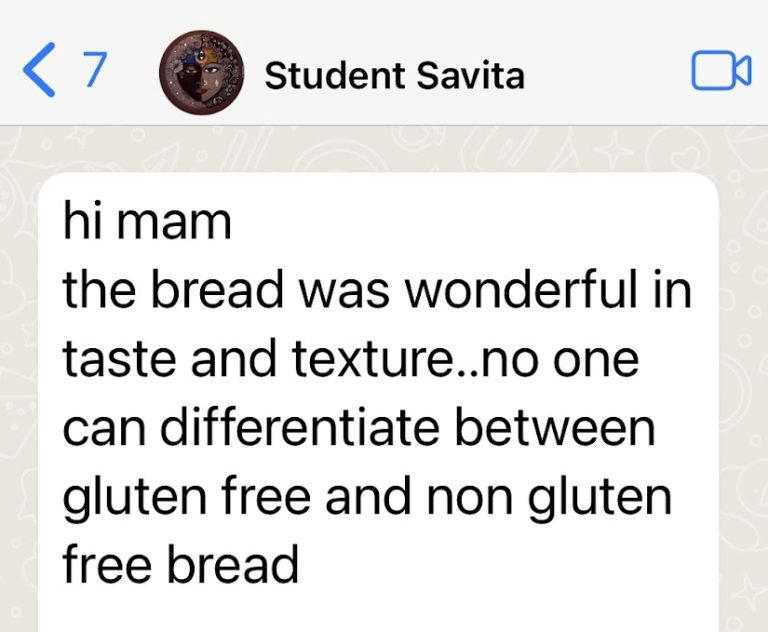
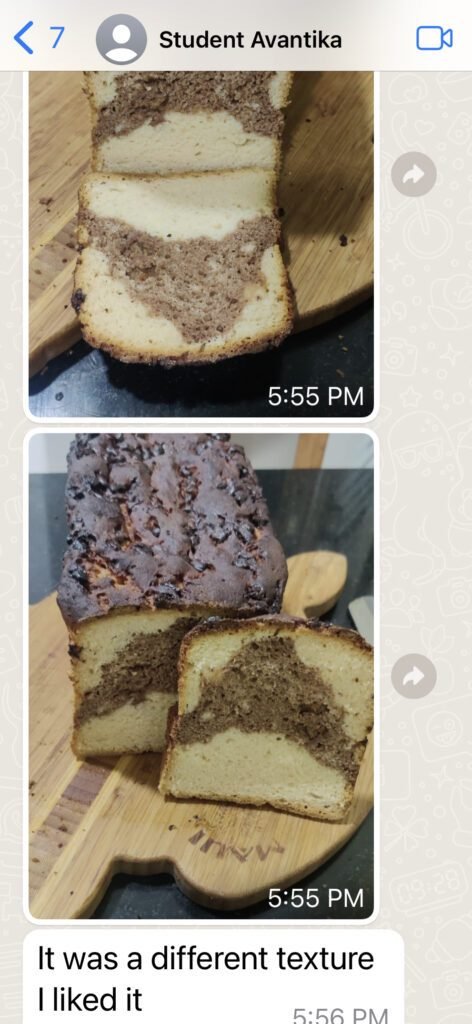
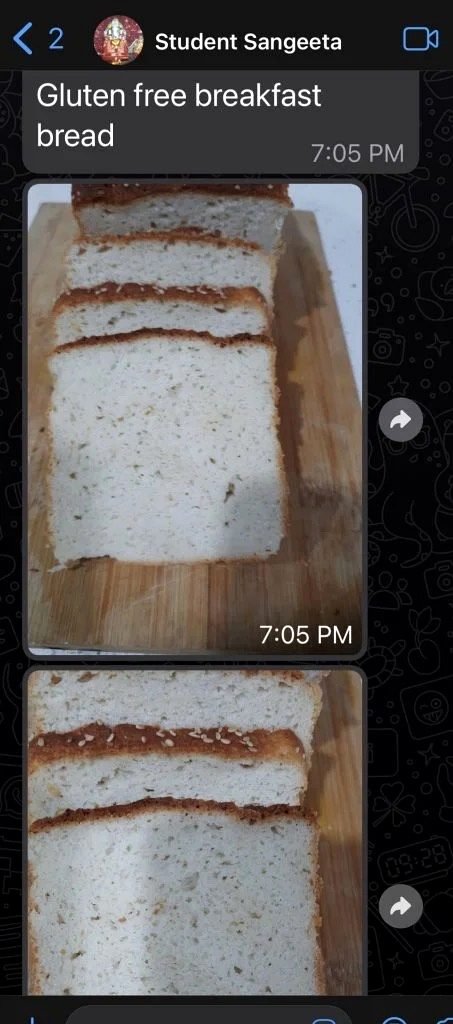
Sangeeta shares photographs of the gluten-free breakfast bread she prepared after learning through Cookery Expressions.
These photographs and reviews offer a glimpse of what students have prepared after learning the recipes.
Meet Your Instructor – Sharmila Sengupta
I am Sharmila Sengupta, a baking teacher and the founder of Cookery Expressions.
 With over 25 years of baking experience, I specialise in eggless and gluten-free baking. Over the years, I have worked with different flours, starches and other ingredients. I have found that understanding how these ingredients behave, particularly when used in gluten-free baking, is just as important as knowing the recipe.
I believe good baking instruction should go beyond sharing a list of ingredients and steps. When you understand why a particular ingredient is used, what consistency to look for and how a mixture should behave at different stages, you begin to understand the process rather than simply follow instructions.
This is the approach I take in my baking classes, and it is what I bring to this course. I will show you how I prepare each bread and explain the small details I pay attention to along the way. These are often the little things that help you recognise whether a mixture is behaving as it should and understand why a particular method matters.
Enroll in the Online Gluten-Free Bread Baking Course
If you would like to learn to make these eight egg-free, gluten-free breads in your own kitchen, I would be happy to guide you through the process.
What Is Included in the Course?
- Eight egg-free, gluten-free bread recipes.
- Step-by-step pre-recorded video demonstrations.
- PDF recipe notes to refer to while baking.
- Lifetime access to all video lessons, so you can revisit the demonstrations whenever you need to.
- Lifetime WhatsApp and Messenger support for your baking queries.
Course Fee: ₹3,999
Buy Now
The lessons are pre-recorded, which means you can watch them at a time that suits you and work through the recipes at your own pace.
I have found that questions often come up when you actually begin baking. A mixture may look different from what you expected, or the finished bread may not have the texture you were aiming for. If something doesn’t turn out as expected or you are unsure about a particular step, you can get in touch with me. I will be happy to help you understand what might have happened and what you could look at when you try the recipe again.
If you would like to know more about the course or enroll, please contact me on WhatsApp.
Frequently Asked Questions About My Gluten-Free Bread Baking Course
1. Is this course suitable for beginners?
Yes. I have designed the course for home bakers, including those who are new to gluten-free bread baking. In each video, I demonstrate how I combine the ingredients, prepare the batter and handle it before baking. You can revisit the videos whenever you need to while practising.
2. Are all the recipes egg-free?
Yes. All eight bread recipes in this course are egg-free.
3. Do the recipes use maida or regular wheat atta?
No. I have used different combinations of gluten-free flours and other ingredients for these breads. None of the eight recipes uses maida or regular wheat atta.
4. Are the recipes vegan or dairy-free?
No. Although all eight recipes are egg-free and gluten-free, some contain dairy ingredients. If you follow a vegan or dairy-free diet, I would suggest checking the ingredients before enrolling. This course is not completely vegan or dairy-free.
5. How long will I have access to the videos?
You will have lifetime access to all the video lessons. I would encourage you to revisit a demonstration whenever you need to check an ingredient quantity, the consistency of a mixture or a particular stage of preparation.
6. Will I receive recipe notes?
Yes. PDF recipe notes for all eight breads are included. You can keep them handy while baking and refer to them alongside the video demonstrations.
7. Can I ask questions after enrolling?
Yes. Lifetime WhatsApp and Messenger support is included.
I have found that many questions arise when you actually begin working with a recipe. A batter may feel stickier than expected, or a loaf may not have the texture you were hoping for. These are things we can look at together. If you are unsure about a particular step or something doesn’t turn out as expected, you can get in touch with me. I will be happy to help you understand what might have happened and what you could look at when you try the recipe again.
8. Can I join if I live outside India?
Yes. Since this is an online gluten-free bread baking course, you can access the lessons from your own kitchen, wherever you live. Please contact me for enrollment and payment details.
Would You Like to Learn How to Make These Gluten-Free Breads?
You can work through the lessons at a pace that feels comfortable to you. I would suggest keeping the PDF recipe notes handy as you practice, so you can refer to the measurements and instructions while following the demonstrations.
Sometimes, you may need to watch a particular technique more than once before you feel comfortable trying it yourself. You can always return to the video demonstrations for a closer look.
You will have lifetime access to all course videos, so you can revisit the lessons whenever you need a little guidance or want to refresh your understanding of a technique.
If you have any questions about the course or would like to enroll, you can contact me directly on WhatsApp. I would be happy to guide you.
Gluten-Free Baking Resources: Ingredients, Recipes and Troubleshooting
Gluten-free baking involves more than replacing wheat flour with an alternative. Different flours have different absorption properties, flavours and structural characteristics. Starches and binding ingredients also influence the texture, moisture and how well a baked product holds its shape.
In my experience, understanding how these ingredients work together makes it much easier to identify why a recipe has not turned out as expected. I have put together these resources to help you understand gluten-free ingredients, try different recipes and troubleshoot some common baking problems.
Start Here: The Complete Gluten-Free Baking Guide
The Complete Gluten-Free Baking Guide: Common Problems, Flours, Techniques and Fixes
If you are beginning your gluten-free baking journey, I would suggest starting with this guide. It explains the characteristics of different gluten-free flours, the role of starches and binding ingredients, and why flour combinations matter. You will also find practical guidance on common problems such as dense cakes, gummy bread and crumbly cookies. Understanding the role of each ingredient can help you identify the likely cause of a problem instead of changing the recipe without knowing why.
Understanding Gluten-Free Flours and Ingredients
How to Use Almond Flour in Gluten-Free Baking
Almond flour adds richness, moisture and tenderness to cakes, muffins and cookies, but it cannot replace wheat flour gram for gram. Although it contains protein and natural fat, it does not contain gluten-forming proteins. This means it cannot develop the elasticity that helps wheat-based doughs stretch and gives many baked products their characteristic framework. When baking with almond flour, suitable starches and binding ingredients often need to be included to help the mixture set properly and prevent the finished bake from becoming too fragile. If a cake turns out dense, gummy, dry or difficult to slice, the balance of flour, liquid, fat and binders may be responsible. This guide explains how almond flour behaves and how to use it more effectively in gluten-free recipes.
Gluten-Free and Eggless Recipes to Try
Fudgy Gluten-Free Vegan Brownies
These vegan brownies use raw banana flour, homemade applesauce and flaxseed gel instead of eggs. Each ingredient has a specific role: applesauce contributes moisture, while flaxseed gel helps bind the mixture. A fudgy brownie should have a soft, moist centre; this does not automatically mean it is underbaked. However, if the centre smears like wet paste or the brownies fall apart when sliced, the baking time, flour measurement and batter preparation deserve attention. Allow the brownies to cool completely before assessing their final texture.
Gluten-Free Eggless Chocolate Lava Cake
A chocolate lava cake should hold its shape when unmoulded, yet reveal a warm, flowing chocolate centre when cut. This recipe uses brown rice flour, potato starch and xanthan gum to provide structure, with dark chocolate enclosed inside for the molten centre. If the filling has become firm, the cake may have cooled too much before serving. If the surrounding cake is gummy or pasty, the baking time and flour-to-liquid balance need closer attention. It is important to distinguish melted chocolate from cake batter that has not set.
Almond Coconut Cookies – Eggless and Gluten-Free
These cookies combine almond flour, desiccated coconut, coconut oil and a flaxseed mixture. Each ingredient influences the dough’s consistency and how the cookies spread and set during baking. If they crumble while warm, allow them to cool completely before judging their texture. Cookies that remain fragile even after cooling need a different assessment. I would look at whether the flaxseed mixture has provided enough binding and whether the dough has the right moisture balance. Excessive spreading, hard cookies and greasy results can also point to different causes, including the amount of coconut oil, cookie thickness, tray temperature and baking time.
Gluten-Free Bread Baking: Problems and Solutions
Red Lentil Bread Problems: Why Is It Gummy or Dense?
Red lentil bread has a naturally moist crumb, so it is important to distinguish between a moist loaf and one that is genuinely underbaked. Allow the bread to cool completely before assessing it. Do the slices hold together, or does the centre remain pasty and smear like uncooked batter? This guide also explains what to look for when the loaf is dense, hollow beneath the crust, brown outside but wet inside, or crumbly after cooling. Lentil preparation, hydration, mixing and actual oven temperature all influence the final texture.
Sharmila Sengupta
Cookery Expressions
Baking Expert & Educator | 25+ Years of Baking Experience