
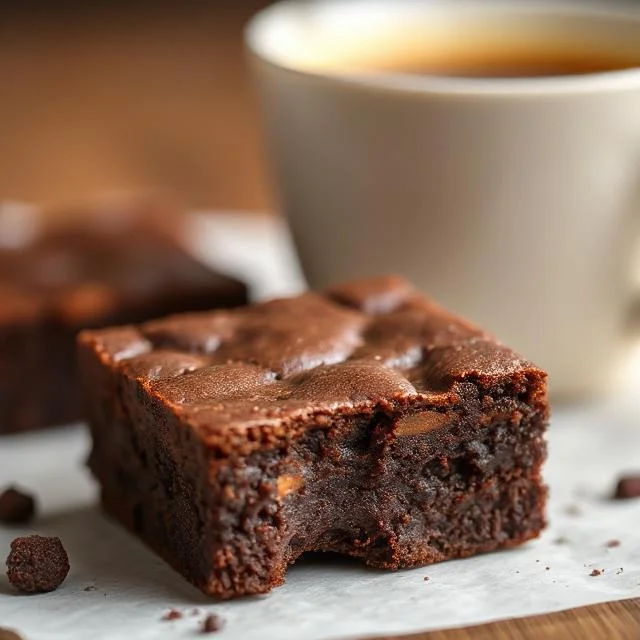
If your gluten-free brownies turn dry or crumbly, here’s how to fix dry gluten-free brownies using a simple chickpea method.
The real issue isn’t just the recipe—it’s structure and moisture.
The easiest solution? Chickpeas. They create naturally soft, fudgy brownies without flour or complicated ingredients.
👉 Most baking failures aren’t your ingredients—they’re your oven.
Fix uneven baking and temperature issues here:
👉 How to use your oven correctly for baking
How to Fix Dry Gluten-Free Brownies (Make Them Moist & Fudgy Every Time)
If you’re wondering how to fix dry gluten-free brownies, the issue usually comes down to moisture, fat balance, or baking time. Gluten-free brownies can easily turn dry, crumbly, or grainy when the ingredients aren’t balanced correctly. Because of this, many homemade brownies lack that soft, rich, and fudgy texture.
The good news is that once you understand how to fix dry gluten-free brownies, you can quickly improve texture and consistency using a few simple baking adjustments. In fact, small changes in ingredients and baking technique can help you achieve moist, soft, and chewy gluten-free brownies every time.
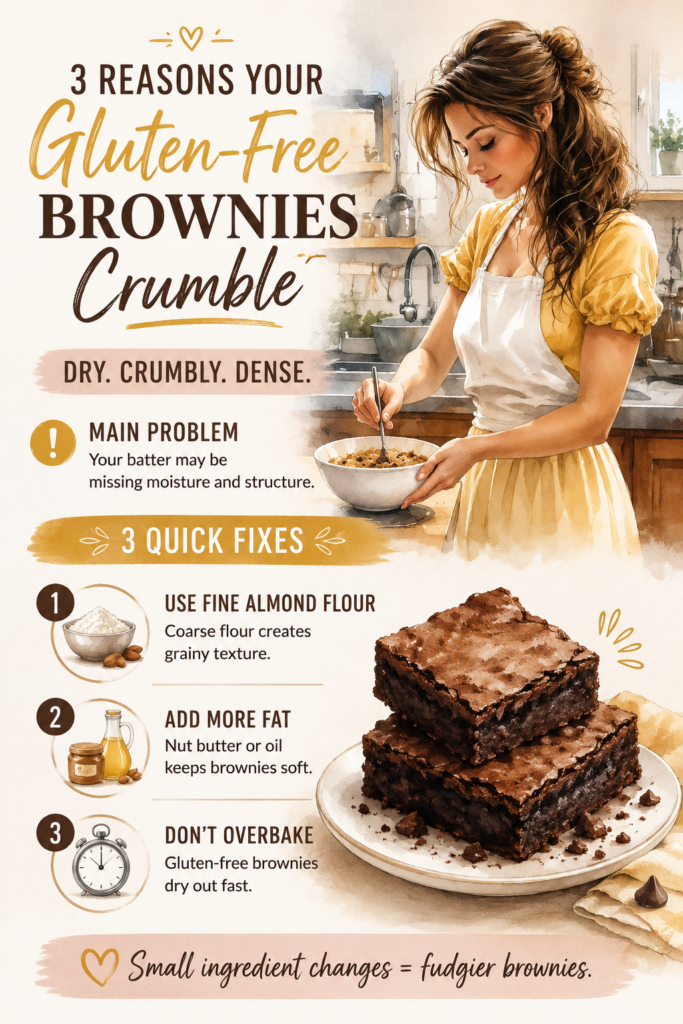
👉 Here’s exactly how to fix dry gluten-free brownies step by step:
- First, use chickpeas instead of flour to add natural moisture and improve texture in gluten-free brownies. This helps create a smoother, more fudgy consistency without traditional flour.
- Next, add enough fat—such as nut butter, butter, or oil—to keep the brownies soft, rich, and chewy. Fat is essential for preventing dry homemade brownies and improving overall texture.
- Then, blend the batter until completely smooth to avoid a grainy or gritty texture, which is common in gluten-free baking. A well-blended batter results in silky, smooth brownies.
- Finally, slightly underbake the brownies to achieve a moist, gooey, and fudgy center. Overbaking is one of the most common baking mistakes that leads to dry gluten-free brownies.
If you want to understand why gluten-free brownies turn dry in the first place, here’s what’s happening.
Why Gluten-Free Brownies Turn Dry and Crumbly (Key Causes + How to Fix Dry Gluten-Free Brownies)
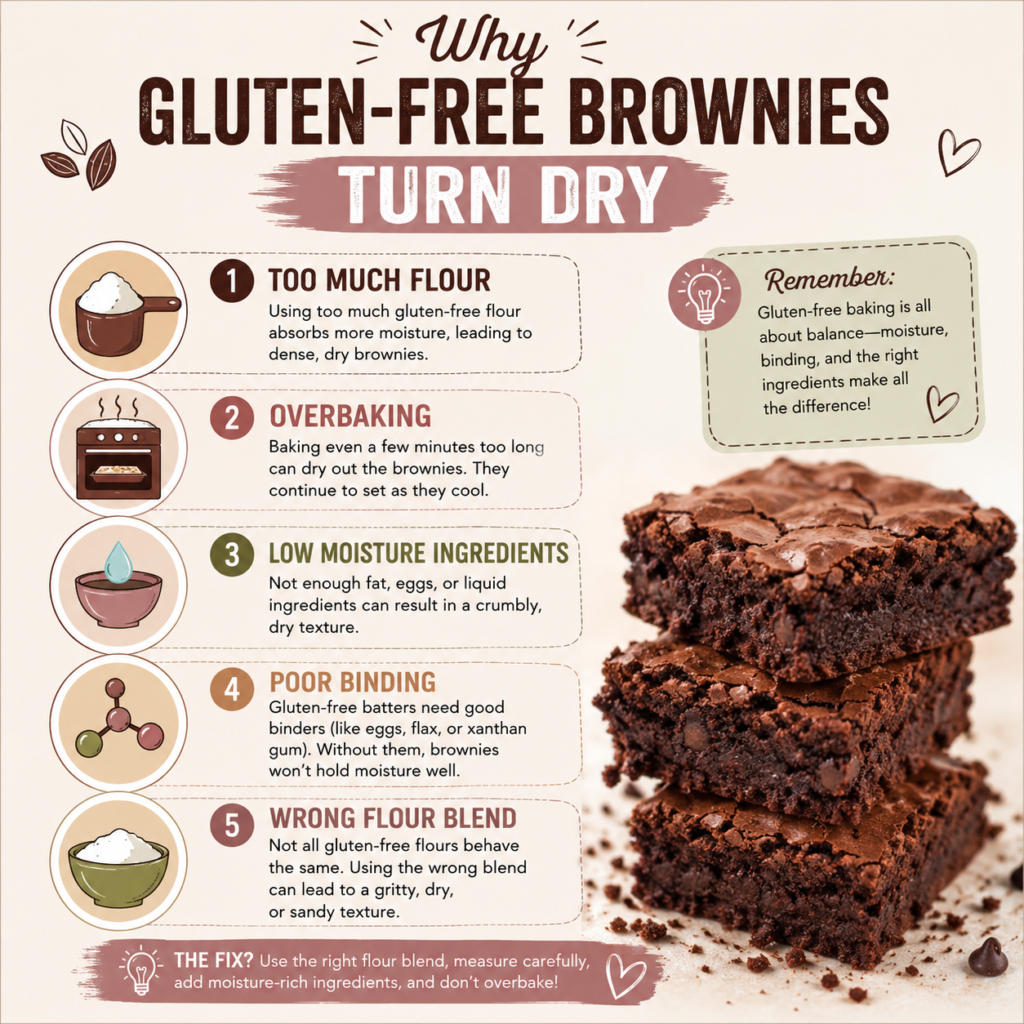
Gluten-free brownies turn dry and crumbly because they lack gluten, absorb more moisture, and often have an imbalanced fat ratio.
In many cases, gluten-free brownies are dry or crumbly because they lack gluten, which normally provides structure and helps trap moisture in traditional baking. Without gluten, the batter has less stability, so it struggles to hold together and retain softness in homemade gluten-free brownies.
In addition, gluten-free flours behave differently from regular wheat flour. Many alternatives, such as oat flour or rice flour, absorb more liquid. As a result, the batter loses moisture quickly, leading to dry gluten-free brownies with a crumbly or even slightly grainy brownie texture.
Another key factor is fat balance. Fat helps create a soft, rich, and moist, fudgy gluten-free brownies texture. When there isn’t enough fat, the batter cannot lock in moisture effectively. Because of this, brownies often turn out dry instead of soft and chewy brownies.
Texture also depends on how well ingredients combine. Gluten-free batters need thorough mixing or blending to create a smooth consistency. Otherwise, the result can be grainy, uneven, and less enjoyable, which is a common issue in gluten-free baking tips and troubleshooting.
Finally, moisture retention is naturally lower in gluten-free baking. Since there is no gluten network to hold water, brownies can dry out faster during baking. For this reason, balancing ingredients correctly is essential for preventing dry or crumbly brownies and achieving better results.
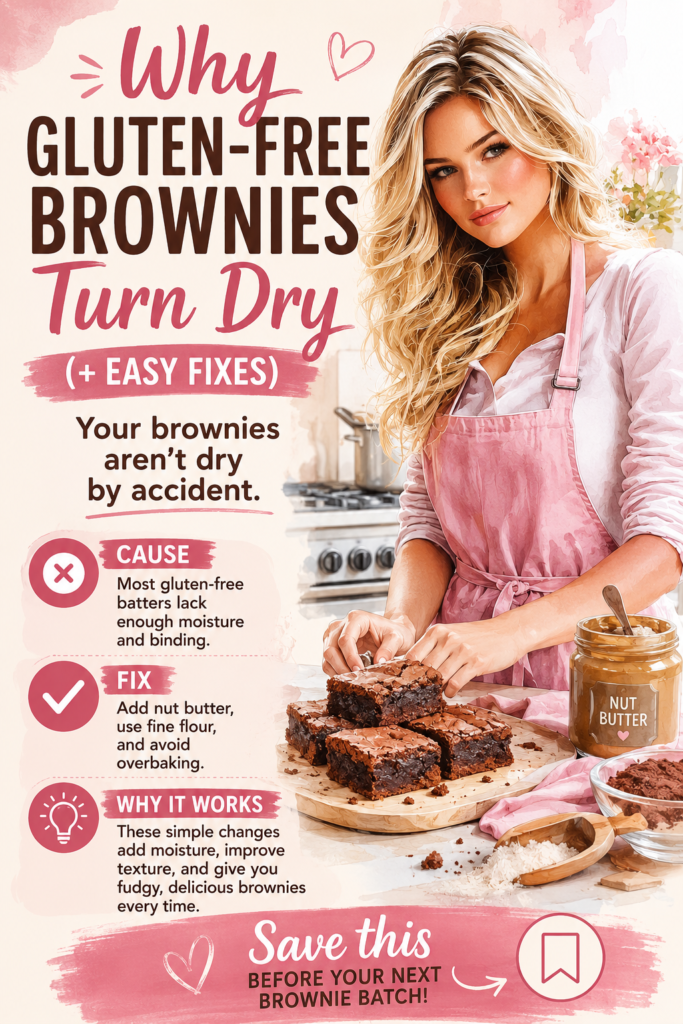
👉 If you’re new to gluten-free baking or struggling with texture issues, this detailed guide on how gluten-free baking works can help you understand the fundamentals:
https://cookeryexpressions.co.in/gluten-free-baking-guide/
Now that you know why gluten-free brownies turn dry, here’s how to fix them step by step.
Why Chickpea Brownies Stay Fudgy and Moist (Best Way to Fix Dry Gluten-Free Brownies Naturally)
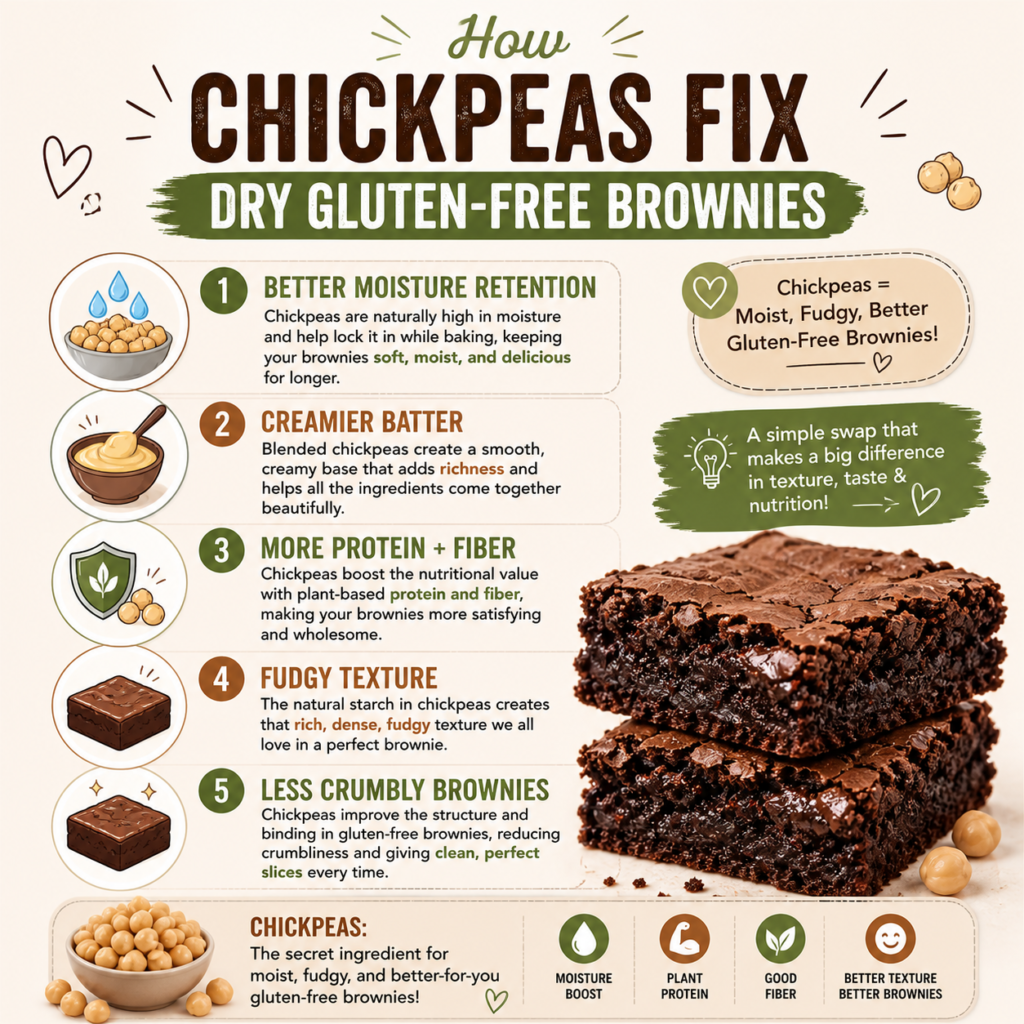
Chickpea brownies stay fudgy and moist because chickpeas naturally add moisture and protein, which helps create a soft, stable structure without traditional flour. As a result, they are ideal for making moist, fudgy gluten-free brownies with a rich texture.
Many people struggle with dry or crumbly results, especially when using standard gluten-free flour substitutes. However, chickpeas solve this problem by improving both texture and moisture naturally. Because of this, the batter becomes more stable and less prone to drying out.
Unlike many gluten-free flour substitutes, chickpeas don’t dry out the batter. Instead, they blend into a smooth, creamy base. This means you avoid the grainy or gritty texture common in gluten-free baking. In turn, the brownies turn out soft, chewy, and evenly textured.
Another important reason is moisture retention. While some gluten-free flours absorb too much liquid, chickpeas help maintain the right balance. As a result, they prevent dry homemade brownies and support a gooey brownie center.
Finally, chickpeas improve overall texture and consistency. For this reason, they are often considered one of the best gluten-free brownie alternatives. Overall, they help create soft, rich, and bakery-style brownies without compromising on taste or texture.
Chickpeas vs Almond Flour vs Oat Flour (Best Flour to Fix Dry Gluten-Free Brownies & Improve Texture)
When choosing the best gluten-free flour for brownies, the ingredient you use affects texture, moisture, and overall results. While all three options are popular in gluten-free baking, they produce different outcomes in softness, chewiness, and moisture retention. Because of this, choosing the right base helps prevent dry or crumbly gluten-free brownies.
Quick Comparison
| Ingredient | Details |
|---|---|
| Chickpeas | Texture is smooth and fudgy. Moisture level is high. Helps prevent dry gluten-free brownies. Best for moist, soft, and chewy brownies. Low risk of crumbly texture. |
| Almond Flour | Texture is soft and slightly dense. Moisture level is medium to high. Adds richness and a nutty flavor. Good for soft, rich gluten-free brownies. Can turn oily if overused. |
| Oat Flour | Texture is light and slightly cakey. Moisture level is lower. Absorbs more liquid during baking. Good for structure and traditional crumb. Can lead to dry or crumbly brownies. |
If your goal is to fix dry gluten-free brownies and get a moist, fudgy texture, chickpeas are the best choice.
They improve moisture retention and create a soft, dense crumb. As a result, your brownies turn out rich, chewy, and consistent every time.
Which One Should YOU Choose?
Choosing the right ingredient depends on the result you want. Here’s a quick guide:
- If your brownies turn dry or crumbly → choose chickpeas
They add natural moisture and create moist, fudgy gluten-free brownies. This is the best option to prevent dryness. - If you want rich flavor and a soft bite → choose almond flour
It adds healthy fats and gives a soft, slightly dense brownie texture with a mild nutty taste. - If you prefer a more cake-like texture → choose oat flour
It provides structure. However, it needs extra fat or liquid to avoid dryness.
👉 For most people struggling with dry gluten-free brownies, chickpeas work best.
Best Ingredients to Fix Dry Gluten-Free Brownies Naturally (Moist & Fudgy Texture Guide)
If your brownies turn out dry, crumbly, or dense, the issue usually comes down to ingredients. The right combination can completely fix dry gluten-free brownies and give you that soft, moist, fudgy texture—without relying on traditional flour. If you’re still unsure how different ingredients impact texture and structure, you can learn more in this detailed gluten-free baking guide.
For Moist, Fudgy Chickpea Brownies
- Smooth, cooked chickpeas (or canned, well-rinsed)
- High-quality cocoa powder (for rich chocolate flavor)
- Nut butter (adds fat and improves texture)
👉 Look for:
- Unsalted chickpeas (better taste and control)
- Natural peanut or almond butter (no added sugar or oils)
For Almond Flour Brownies
- Finely blanched almond flour (not almond meal)
- Butter or neutral oil for balance
👉 Look for:
- Super-fine almond flour (for smoother texture)
- Avoid coarse almond meal (can feel grainy)
For Oat Flour Brownies
- Finely ground oat flour
- Extra fat or liquid (to prevent dry texture)
👉 Look for:
- Certified gluten-free oat flour
- Or blend oats at home for freshness
Helpful Tools for Perfect Gluten-Free Brownies (Fix Dry Texture & Get Smooth, Fudgy Results)
If you’re wondering how to fix dry gluten-free brownies, the solution often comes down to a few simple changes. Add more fat (like nut butter), use moisture-rich ingredients such as chickpeas, blend the batter until smooth, and slightly underbake for a soft, fudgy texture.
However, technique alone isn’t always enough. Using the right tools can make a big difference in gluten-free baking results, especially when you want moist, soft, and evenly baked brownies. In fact, the right equipment helps prevent common issues like grainy batter, dry edges, and overbaking.
For a complete breakdown of causes and fixes, read:
👉 https://cookeryexpressions.co.in/why-is-my-cake-dense/
1. High-Speed Blender → Creates Smooth Batter
👉 Use this to eliminate grainy texture and achieve a silky, fudgy batter.
A high-speed blender is one of the best tools for improving batter consistency, especially in gluten-free baking. If your cake feels dense instead of fluffy, uneven blending could be the reason.
Why it works:
- Breaks down ingredients completely for a smooth batter
- Prevents grainy texture in gluten-free cakes and brownies
- Improves moisture distribution for soft, moist results
Best for:
Gluten-free cakes, chickpea brownies, oat-based batters
2. Oven Thermometer → Ensures Accurate Baking Temperature
👉 Prevents overbaking and helps maintain the perfect temperature for moist cakes.
One of the most common reasons a cake turns out dry and dense is incorrect oven temperature. Many home ovens run hotter or cooler than displayed, which affects how your cake rises.
Why it works:
- Prevents overbaking (a major cause of dense, dry cakes)
- Ensures proper rise and light, fluffy texture
- Helps maintain moisture inside the cake
Best for:
All cakes, brownies, and precision baking
3. Non-Stick Baking Pan → Prevents Dry Edges
👉 Ensures even baking and keeps cakes soft, moist, and consistent.
The type of baking pan you use affects heat distribution. Uneven baking can lead to dense centers and overcooked edges.
Why it works:
- Promotes even heat distribution
- Prevents hard, dry edges
- Supports a soft, uniform crumb
Best for:
Cakes, brownies, loaf cakes
Pro Tip: Fix Dense Cake Texture Faster
If your cake didn’t rise properly or feels heavy, it’s usually a combination of:
- Overmixing batter
- Incorrect temperature
- Uneven blending
Fixing these with the right tools is one of the easiest ways to make your cake light and fluffy without changing the recipe.
Quick Answer
Why is my cake dense and heavy?
A dense cake is usually caused by overmixing, incorrect oven temperature, or uneven batter consistency. Using tools like a high-speed blender, oven thermometer, and proper baking pan helps create a soft, moist, and fluffy texture.
Common Mistakes That Cause Dry Gluten-Free Brownies (And How to Fix Them for Moist, Fudgy Results)
Dry gluten-free brownies are usually caused by overbaking, low fat content, wrong flour choices, poor mixing, or incorrect oven temperature.
If your gluten-free brownies are dry or crumbly, it’s usually due to a few common baking mistakes. Most of these issues are small, but they can have a big impact on brownie texture, moisture, and consistency. The good news is that once you spot them, you can easily fix dry gluten-free brownies and get better results.
1. Overbaking the Brownies
One of the most common baking mistakes is overbaking. Gluten-free batters lose moisture faster than traditional recipes. As a result, even a few extra minutes can lead to dry, hard, or overcooked brownies.
👉 Remove brownies when the center is slightly soft for moist, fudgy gluten-free brownies.
2. Not Adding Enough Fat or Moisture
Another major reason for dry homemade brownies is low fat or liquid content. Ingredients like butter, oil, or nut butter help lock in moisture and improve texture. Without enough fat, brownies turn dry instead of soft and chewy brownies.
👉 Add enough fat to create rich, moist, and fudgy brownie texture.
3. Using the Wrong Gluten-Free Flour
Choosing the wrong flour can affect both moisture and structure. Some gluten-free flours absorb too much liquid. For example, oat flour or rice flour can cause a crumbly or dry brownie texture if not balanced with fat or moisture.
👉 Use the best gluten-free flour for brownies or combine flours for better results.
4. Not Blending the Batter Properly
A poorly mixed batter can lead to uneven texture. Gluten-free batters need proper blending to become smooth. Otherwise, you may end up with a grainy brownie texture or dry pockets in the final bake.
👉 Blend well to achieve a smooth, lump-free batter for better consistency.
5. Incorrect Oven Temperature in Baking (Why Gluten-Free Brownies Turn Dry and Uneven)
Incorrect oven temperature is one of the most common baking mistakes and a major reason brownies turn dry, crumbly, or dense. If your oven temperature is too high or uneven, it can ruin the texture—even if your ingredients are perfect.
Many home bakers face uneven oven temperature baking issues, where brownies become dry on the edges but soft or undercooked in the center. This happens because the heat is not distributed properly.
👉 Use an oven thermometer for baking accuracy to ensure consistent temperature and evenly baked brownies.
Why Incorrect Oven Temperature Causes Dry or Dense Brownies
- High oven temperature baking problems → Moisture evaporates too quickly, leading to dry brownies
- Uneven oven temperature → Causes over-baked edges and undercooked centers
- Incorrect baking temperature → Prevents proper structure, resulting in dense brownies
These are some of the key reasons behind “why brownies turn dry and crumbly” or “cake turns dry and dense after baking.”
How to Fix Oven Temperature Issues in Baking
- Use an oven thermometer for baking accuracy to check actual temperature
- Preheat the oven properly before baking
- Avoid opening the oven frequently (causes temperature fluctuations)
- Bake at the correct temperature for fudgy brownies
These steps help solve common problems like “how to bake brownies evenly in oven” and “how to prevent over-baking brownies.”
Quick Answer
Why do brownies turn dry in the oven?
Brownies turn dry when the oven temperature is too high or uneven. This causes moisture loss and overbaking, leading to dry edges and dense texture. Using an oven thermometer helps maintain accurate baking temperature and ensures even results.
Easy Chickpea Brownies Recipe (Moist, Fudgy & Gluten-Free)
Using the right ingredients is the fastest way to fix dry gluten-free brownies and get consistent, fudgy results.
If you want a simple, reliable way to make moist gluten-free brownies, this easy chickpea brownies recipe brings together the perfect balance of moisture, fat, and smooth texture in one method.
Because chickpeas naturally add moisture and structure, they help prevent dry or crumbly brownies without relying on complicated gluten-free flour blends. As a result, you get soft, rich, and fudgy gluten-free brownies with a smooth, bakery-style texture.
👉 Ready to fix dry gluten-free brownies for good? Try this easy chickpea brownie recipe and enjoy soft, moist, and fudgy results every time.
Best Ingredients & Tools for Moist, Fudgy Gluten-Free Brownies
If your brownies turn out dry or crumbly, the issue is often not the recipe—it’s the ingredients and tools you’re using.
This section helps you choose the right ones so you can consistently fix dry gluten-free brownies and get a rich, fudgy texture every time.
🥜 Peanut Butter (Creates Fudgy Texture)
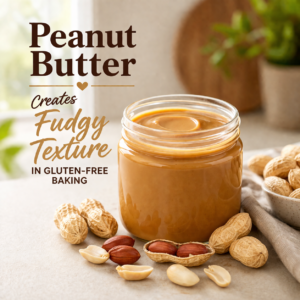
Peanut butter adds fat and moisture, which is essential for soft, rich brownies.
What to Look For:
- Smooth, creamy texture
- No added sugar or oils
- Slightly runny consistency (easier blending)
Recommended Options:
- Skippy– smooth and reliable
- Jif– beginner-friendly texture
- 365 by Whole Foods Market– cleaner ingredient option
👉 Why it matters: More fat = better moisture retention → no dry brownies.
🍫 Cocoa Powder (Controls Flavor + Richness)
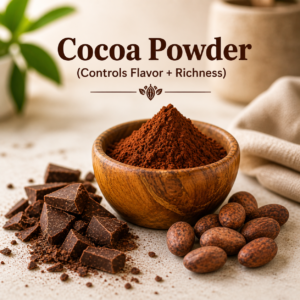
Cocoa powder impacts both the taste and texture balance.
Types:
- Natural cocoa → lighter flavor
- Dutch-processed → darker, smoother, richer
Recommended Options:
- Anthony’s– consistent and accessible
- Ghirardelli– deeper chocolate flavor
👉 Pro Tip: Use Dutch-processed cocoa for a more indulgent, bakery-style taste.
🥫 Chickpeas (The Secret Moisture Base)
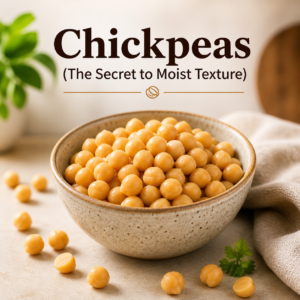
Chickpeas replace flour and act as a natural binder + moisture source.
What to Choose:
- Soft, well-cooked canned chickpeas
- Low-sodium or no-salt-added
Recommended Brands:
👉 Why it matters: Unlike gluten-free flours, chickpeas hold moisture instead of drying out.
⚡ High-Speed Blender (Non-Negotiable Tool)
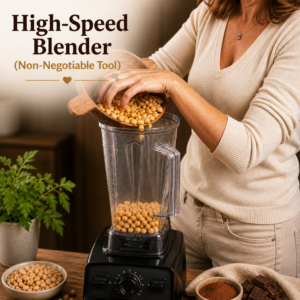
This is the most important tool for getting smooth, fudgy brownies instead of grainy ones.
What You Need:
- High-speed motor
- Ability to fully break down chickpeas
- Smooth, lump-free blending
Recommended Options:
- Vitamix– ultra-smooth results
- Ninja– powerful and affordable
- NutriBullet – compact and effective
👉 Why it matters: A grainy batter = dry texture. A smooth batter = fudgy brownies.
Pro Insight
Most people try to fix dry gluten-free brownies by adding more liquid—
but that rarely works.
The real shift happens when you:
- Use moisture-rich ingredients (chickpeas + dates)
- Add enough fat (peanut butter)
- Blend until completely smooth
👉 Even upgrading just one element (your blender or peanut butter) can dramatically improve your results.
Why You’ll Love These Fudgy Chickpea Brownies
If your brownies keep turning out dry or crumbly, this recipe offers a simple, reliable way to fix dry gluten-free brownies. Instead of using traditional gluten-free flours that often lead to dryness, this method uses whole-food ingredients to create moist, fudgy gluten-free brownies that stay soft even after baking.
These healthy chickpea brownies have a rich chocolate flavor and a dense, satisfying texture without being overly sweet. If you’re looking for a healthy chocolate dessert or low sugar brownies that still feel indulgent, this recipe delivers consistent results every time.
Everything blends into a smooth batter, helping eliminate graininess and creating soft gluten-free brownies with an even, velvety texture. The result is an easy brownie recipe that works for both beginners and experienced bakers.
Why This Recipe Works (Texture-Focused Breakdown)
The secret to moist gluten-free brownies lies in how the ingredients work together to retain moisture and build structure—without relying on refined flour.
Moisture is built into the base
This recipe uses ingredients that naturally hold water, helping prevent dryness during baking and supporting a fudgy brownie texture.
Fat supports richness and softness
Fat is evenly distributed throughout the batter, creating rich, chewy brownies instead of a dry or cakey result.
A smooth batter improves texture
Blending everything fully removes coarse particles, resulting in smooth batter brownies with no graininess—one of the most common issues in gluten-free baking.
Structure stays dense, not dry
The ingredient balance is designed to produce dense fudgy brownies rather than light, airy ones, which are more likely to dry out.
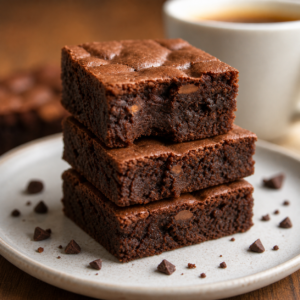
Gluten-Free Chickpea Brownies (Moist & Fudgy Recipe to Fix Dry Brownies)
Here’s all the ingredients you’ll need to create these amazing chickpea brownies.
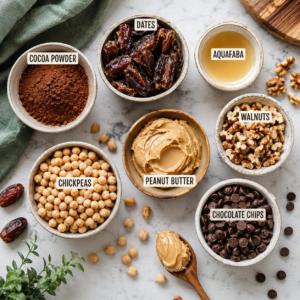
Simple whole-food ingredients used to make moist, fudgy chickpea brownies that help fix dry gluten-free brownies.
🛒 Ingredients (in grams)
This version keeps everything precise so your brownies turn out consistently moist and fudgy every time.
Core Ingredients:
- 150g pitted dates
- 60g water
- 240g chickpeas (drained weight, from 1 can)
- 45g aquafaba (liquid from chickpeas)
- 125g peanut butter
- 30g cocoa powder
Optional Add-Ins:
- 50–70g chocolate chips
- 40–60g walnuts
💡 Tip: Use smooth peanut butter for a creamier texture.
👩🍳 Instructions (Metric + Precision Baking)
Step 1: Preheat
Preheat oven to 350℉/176℃
Line a square 8 inch baking pan with parchment paper.
Step 2: Make Date Paste
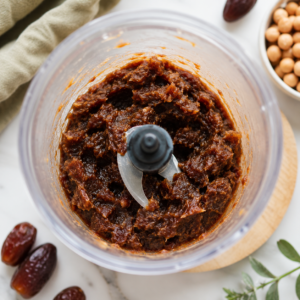
Blend:
- 150g dates
- 60g water
Until completely smooth.
Step 3: Blend Batter
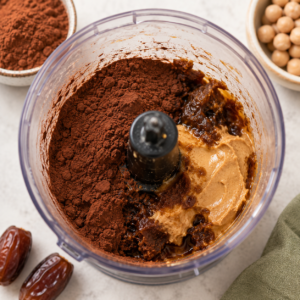
Add:
- 240g chickpeas
- 45g aquafaba
- 125g peanut butter
- 30g cocoa powder
Blend until ultra smooth and creamy.
Step 4: Add Mix-ins
Fold in optional:
- Chocolate chips
- Walnuts
Step 5: Bake
- Transfer batter to lined pan
- Smooth the top
- Bake for 25–30 minutes at 176°C
👉 Slightly underbake for a fudgy texture.
Step 6: Cool Completely
Let brownies cool fully before slicing.
This step ensures:
- Better structure
- Rich, fudgy texture
- No crumbling
Expert Tips for Perfect Chickpea Brownies Every Time
- Nut-free option: Use sunflower seed butter or Wow Butter instead of peanut butter, and skip the walnuts. You can also mix in dried fruit like raisins or cranberries for extra texture and sweetness in these healthy gluten-free brownies.
- For a sweeter brownie: Stir in 1–2 tablespoons of maple syrup after blending the dates, or increase the chocolate chips to up to ½ cup for a richer fudgy brownie texture.
- Easy pan removal: Line your baking pan with parchment paper so the brownies lift out easily without sticking or breaking apart after baking.
- Do not overbake: Remove the brownies while the center still looks slightly underdone. They continue setting as they cool, which helps create moist gluten-free brownies instead of dry, crumbly ones.
- Clean slicing trick: Lightly wet your knife between cuts for smoother brownie slices and bakery-style edges.
- Storage tip: Keep leftover brownies in an airtight container at room temperature for up to 4 days. For a firmer texture, refrigerate before serving.
Why These Tips Matter for Gluten-Free Brownies
One of the biggest challenges in gluten-free baking is learning how to fix dry gluten-free brownies and keep them soft after baking. Traditional flour-free brownies can easily become dense, dry, or grainy if they are over-baked or lack enough moisture and fat.
Using ingredients like chickpeas, peanut butter alternatives, and dates helps create a naturally rich and chewy texture while adding protein and fiber. Slightly underbaking the brownies also improves moisture retention, giving you the classic soft and fudgy brownies many people search for online.
These simple adjustments can help you make:
- moist gluten-free brownies
- fudgy chickpea brownies
- healthy flourless brownies
- dairy-free brownie recipes
- high-protein gluten-free desserts
- easy homemade brownies without flour
Whether you are trying to fix dry brownies after baking or looking for the best way to make chewy gluten-free brownies from scratch, these tips can dramatically improve texture, flavor, and overall results.
Texture Control Tip (How to Prevent Dry, Crumbly Gluten-Free Brownies)
👉 Chickpeas + dates + peanut butter create a moisture-balanced batter, which is why this recipe works so well to fix dry gluten-free brownies without adding extra liquid.
Chickpeas vs Gluten-Free Flour (Which Is Better to Fix Dry Gluten-Free Brownies?)
If you’re trying to fix dry gluten-free brownies, the base ingredient you choose plays a critical role in texture, moisture, and structure. One of the most common reasons for dry, crumbly gluten-free brownies is the use of traditional gluten-free flour, which often lacks the moisture and binding needed for soft results.
Chickpeas, on the other hand, are one of the best ingredients to fix dry gluten-free brownies naturally. They help create moist, fudgy gluten-free brownies by improving moisture retention and providing natural structure without making the batter grainy or dense.
When comparing chickpeas vs gluten-free flour, the difference comes down to moisture, protein, and texture. Chickpeas contain higher protein and fiber, which helps create a soft, dense, and fudgy brownie texture, while many gluten-free flours can result in dry or crumbly brownies if not balanced correctly.
If you want to make gluten-free brownies soft and fudgy, switching from traditional gluten-free flour to chickpeas is one of the most effective ways to improve texture and avoid dry, dense results.
Which is better for fixing dry gluten-free brownies—chickpeas or flour?
Chickpeas are better because they retain moisture and create a soft, fudgy texture, while gluten-free flour can lead to dry or crumbly brownies if not balanced properly.
| Feature | Chickpeas | Gluten-Free Flour |
|---|---|---|
| Fiber | High | Low |
| Protein | High | Low |
| Texture | Fudgy | Often dry |
| Moisture | High | Low |
| Nutrition | Higher | Lower |
Smart Ingredient Swaps to Fix Dry Gluten-Free Brownies Naturally
If you’re trying to fix dry gluten-free brownies, the fastest solution is often simple ingredient swaps. Many recipes turn out dry, crumbly gluten-free brownies because they lack enough fat, moisture, or proper binding.
By replacing a few key ingredients, you can quickly fix dry gluten-free brownies naturally and create moist, fudgy gluten-free brownies with a soft, rich texture. These swaps improve moisture retention, structure, and consistency, which are essential for better gluten-free baking results.
If your brownies feel dense, dry, or lack richness, adjusting ingredients is one of the easiest ways to make gluten-free brownies soft and fudgy without changing the entire recipe. Even if your brownies are already baked, knowing how to fix dry gluten-free brownies after baking—such as adding moisture through toppings or slight reheating—can help improve texture and bring back softness.
How do you fix dry gluten-free brownies?
You can fix dry gluten-free brownies by swapping ingredients that improve moisture and fat, such as using nut butter instead of low-fat substitutes, adding natural sweeteners like maple syrup, and choosing ingredients that support a fudgy texture.
| Instead of | Use |
|---|---|
| Peanut butter | Almond or sunflower butter |
| Dates | Maple syrup |
| Cocoa | Dark cacao |
| Chocolate chips | Dark chocolate |
Final Thought
Most gluten-free brownie recipes try to fix dry texture by adjusting gluten-free flour blends, adding extra butter, or increasing oil after baking.
This chickpea brownie method fixes the root cause of dry, crumbly gluten-free brownies from the beginning.
Using chickpeas creates naturally moist, fudgy gluten-free brownies with better structure, smoother batter, and more consistent baking results — without relying on complicated gluten-free flour combinations.
With chickpeas, you get:
- Better fudgy brownie texture
- More moisture retention in gluten-free baking
- Higher protein and fiber than traditional brownies
- Consistent homemade brownie results
- Smooth brownie batter for even baking
- Rich chocolate flavor without dry brownie edges
- A healthier gluten-free dessert option
- Naturally soft and chewy brownies without refined flour
If you want to fix dry gluten-free brownies naturally, chickpeas are one of the best ingredients for creating soft, chewy, bakery-style brownies at home while improving both texture and nutrition. They’re especially helpful for anyone looking for moist gluten-free brownies that taste rich, soft, chewy, and bakery-style without complicated ingredients or specialty gluten-free flour blends.
Want to see how chickpea brownies look and bake in real life? This video gives a great visual idea of the rich, fudgy texture and why chickpeas work so well in gluten-free brownies.
Video credit: PlantbasedBrandon on YouTube
Key Takeaway
- Chickpeas help create a smoother batter and retain more moisture, which makes gluten-free brownies softer, fudgier, and less crumbly.
FAQs About Fixing Dry Gluten-Free Brownies
How do you fix dry gluten-free brownies?
To fix dry gluten-free brownies, use moisture-rich ingredients like chickpeas, creamy peanut butter, dates, or unsweetened applesauce. Slightly underbaking the brownies also helps create a soft, fudgy texture instead of a dry or cakey result. Using parchment paper and a quality metal baking pan can also improve even baking.
Why are gluten-free brownies crumbly?
Gluten-free brownies often turn crumbly because they lack the protein structure found in regular flour. Using ingredients like almond flour, natural peanut butter, flax eggs, or sunflower seed butter improves binding and creates a chewy brownie texture.
How do you make gluten-free brownies fudgy?
For fudgy gluten-free brownies, balance moisture, fat, and baking time carefully. Ingredients like Dutch-process cocoa powder, melted dark chocolate, creamy nut butter, and Medjool dates help create rich, bakery-style brownies without traditional flour.
Can brownies be made without flour?
Yes. Chickpeas are a popular substitute for healthy flourless brownies because they add moisture, protein, and structure while keeping the texture soft and fudgy. A high-powered food processor or blender helps create a smoother brownie batter.
What is the best flour for gluten-free brownies?
A 1-to-1 gluten-free baking flour blend is one of the most reliable choices for beginners. Almond flour adds moisture and richness, while tapioca starch helps create chewy gluten-free brownies with a softer bite.
Why do gluten-free brownies feel gritty?
A gritty texture usually comes from rice flour not fully hydrating. Letting the brownie batter rest for 20–30 minutes before baking helps soften the flour and improves the texture. Using finely ground gluten-free flour blends also helps reduce graininess.
How do you get a shiny, crackly brownie top?
For a shiny brownie crust, dissolve the sugar into melted butter or whisk it thoroughly with eggs before mixing in dry ingredients. Using semi-sweet chocolate chips or melted dark chocolate can also help create a glossy brownie top.
Can you make gluten-free brownies dairy-free?
Yes. Substitute regular butter with coconut oil or plant-based butter, and use dairy-free chocolate chips for an easy dairy-free brownie recipe with a rich chocolate flavor.
Why did my brownies sink in the middle?
Brownies usually sink if too much air is whipped into the batter or if there are not enough binding ingredients. Overmixing eggs can also cause the center to collapse after baking.
Why is resting brownie batter important?
Resting gluten-free brownie batter for 30 minutes allows rice flour and starches to hydrate properly. This simple baking step improves texture and helps prevent dry, sandy, or crumbly brownies.
Why does the toothpick test fail for gluten-free brownies?
Gluten-free brownies continue setting as they cool. If the toothpick comes out completely clean, the brownies are often already overbaked. For the best fudgy brownie texture, remove them when a few moist crumbs still cling to the toothpick.
Why do gluten-free brownies look pale?
Gluten-free flours do not brown as easily as wheat flour. Using Dutch-process cocoa powder or a teaspoon of instant espresso powder creates a darker color and deeper chocolate flavor without extra baking time.
Does the baking pan affect brownie texture?
Yes. Metal baking pans conduct heat more evenly and help create better brownie edges and crusts compared to glass pans, which can lead to softer or unevenly baked brownies.
What are the best ingredients for moist gluten-free brownies?
Some of the best ingredients for soft and chewy gluten-free brownies include:
- chickpeas
- almond flour
- creamy peanut butter
- sunflower seed butter
- Medjool dates
- coconut oil
- Dutch-process cocoa powder
- dairy-free chocolate chips
These ingredients help improve moisture, texture, and richness while keeping brownies gluten-free and flourless.
Read This If You’re Tired of Overthinking
If you love baking but still feel mentally overwhelmed, you’re not alone. Overthinking, emotional burnout, and constant pressure can make it hard to truly relax—even during simple moments like this.

You Win When You Don’t Play is a short, practical guide to help you stop overthinking, let go of mental stress, and feel calmer in everyday life.
My book, You Win When You Don’t Play, an Amazon #1 Bestseller, is FREE on Kindle Unlimited. It’s a quick 90-minute read about finding peace, letting go, and discovering quiet strength in a noisy world.
It will help you:
- Stop overthinking
- Let go of emotional pressure
- Build calm and mental clarity
Read it on Amazon: You Win When You Don’t Play
Lorem ipsum dolor sit amet, consectetur adipiscing elit. Ut elit tellus, luctus nec ullamcorper mattis, pulvinar dapibus leo.