Why Your Cake Is Dense (7 Mistakes + Best Baking Tools to Fix It Fast)

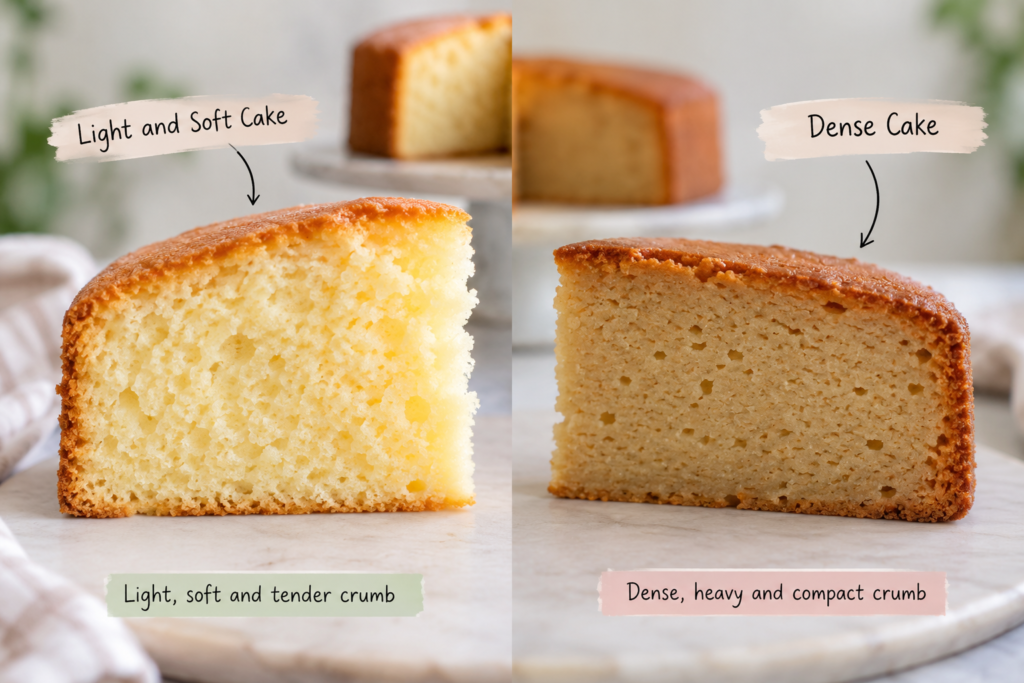
Why is my cake dense? A cake usually turns dense due to overmixing, too much flour, expired leavening agents, or incorrect oven temperature. Fixing these issues helps create a soft, light, and fluffy texture every time.

Many home bakers run into this problem, even when they follow recipes carefully. Cakes can still come out heavy, flat, or tight instead of soft and airy.

👉 The key difference comes down to technique, not just ingredients.

Small changes in how you mix, measure, and bake can completely affect the final texture. For example, overmixing tightens the structure, while incorrect measurements throw off ingredient balance.

Temperature also plays a critical role, since even slight oven variations can impact how the cake rises and sets. Because of this, a good recipe alone isn’t enough—you need the right method.

Why Is My Cake Dense? Mistake #1: Over Mixing the Batter

Over Mixing is one of the most common baking mistakes, and it can ruin cake texture quickly. In fact, many bakers face this issue even when they follow the recipe correctly.

why is my cake dense? Thick glossy chocolate cake batter in a metal bowl being mixed with a red spatula, showing overmixed dense texture

How Overmixing Affects Cake Texture

Once flour is added, mixing activates gluten development.

A small amount of gluten gives structure.
Too much gluten, however, creates a dense and rubbery texture.

👉 Therefore, the longer the batter is mixed, the tighter the structure becomes, leading to a heavy cake instead of a soft one.


What Happens When You Overmix Batter (Dense Cake Result)

Overmixing affects your cake in several ways:

  • Breaks down air bubbles
  • Tightens the batter
  • Reduces rise in the oven

👉 As a result, the final cake may feel:

  • Heavy
  • Compact
  • Less fluffy

In some cases, the texture can even become slightly chewy, which is better suited for bread than cakes.


Common Mixing Mistakes That Cause Dense Cakes

Many bakers mix until the batter looks completely smooth and fully blended.

This may seem correct at first. However, by that stage, the batter is already overworked.

👉 In other words, a perfectly smooth batter often means the air has been lost.


How to Fix Over Mixing for Better Cake Texture

To improve cake texture:

✔ Mix only until the ingredients are just combined
✔ Stop as soon as the flour disappears
✔ Reduce speed after adding dry ingredients

👉 Because of this, a slightly lumpy batter is actually a good sign.


Best Tool to Prevent Dense Cake from Overmixing

Using the right equipment can make a noticeable difference.

A stand mixer like the KitchenAid Artisan Series 5-Quart Tilt-Head Stand Mixer allows you to:

  • Control speed accurately
  • Maintain consistent mixing
  • Reduce the risk of over mixing

👉 As a result, it improves consistency and reduces guesswork.


Quick Self-Check to Avoid Dense Cake Texture

Before placing your cake in the oven, check:

✔ Did you stop mixing once combined?
✔ Does the batter feel light rather than thick?
✔ Is the mixture slightly textured instead of overly smooth?

👉 If so, your cake is more likely to bake soft and airy.


Why Proper Mixing Improves Cake Texture Instantly

Correct mixing can:

✔ Improve cake rise
✔ Create a lighter crumb
✔ Prevent dense texture

👉 Therefore, even a small adjustment can noticeably improve your results.

Over time, consistent mixing habits lead to softer, more reliable cakes.


Mistake #2: Incorrect Flour Measurement (Dense Cake Cause)

Incorrect flour measurement is one of the most overlooked baking mistakes, yet it is a major reason cakes turn dense, dry, or heavy. Many home bakers face this issue even when they follow the recipe carefully.

👉 The biggest problem? Most people don’t realize they’re doing it wrong.

why is my cake dense? Side-by-side comparison of flour measurement showing loosely filled flour at 127g vs packed flour at 181g on a kitchen scale

How Incorrect Flour Measurement Causes Dense Cake Texture

Many bakers scoop flour directly from the container using a measuring cup.
As a result, this simple habit can add 20–30% extra flour to the recipe.

👉 Even a small increase in flour can completely change cake texture.

Flour is easily compressed, so scooping packs it tightly into the cup. Because of this, you end up using far more than intended.


What Happens When You Use Too Much Flour (Dense Cake Result)

Excess flour affects your batter in several ways:

  • Creates a thick, heavy mixture
  • Reduces air incorporation
  • Tightens crumb structure

👉 As a result, your cake becomes:

  • Dense
  • Dry
  • Poorly risen

In some cases, the texture may feel crumbly even if the flavor is good.


Common Flour Measurement Mistakes That Lead to Dense Cakes

The issue starts when flour is scooped instead of measured properly.

  • The flour gets compressed inside the cup
  • You unknowingly add more than required

👉 Because of this, even a small excess disrupts the balance.

In other words, baking is precise—small errors lead to big texture problems.


How to Measure Flour Correctly to Prevent Dense Cakes

To improve your results:

✔ Spoon flour into the measuring cup instead of scooping
✔ Level it off with a knife
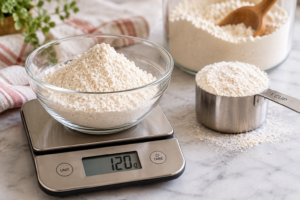
✔ For best accuracy, weigh ingredients

👉 As a result, you use exactly what the recipe requires.


Best Tool to Fix Dense Cake from Incorrect Measurement

A digital kitchen scale, such as the OXO Good Grips Food Scale, helps you:

  • Measure flour in grams
  • Maintain consistent ratios
  • Eliminate guesswork

👉 Because of this, it is one of the most effective tools for preventing dense cakes.


Why Accurate Measurement Prevents Dense Cake Texture

Baking works on precise ratios.

When flour increases:

  • Liquid becomes insufficient
  • Air structure weakens
  • Texture turns dense

👉 Therefore, even perfect mixing cannot fix incorrect measurement.


Quick Self-Check to Avoid Dense Cake Problems

Before baking, check:

✔ Did I measure flour correctly?
✔ Does the batter feel light, not thick?
✔ Are ingredient ratios balanced?

👉 If so, your cake is more likely to bake soft and fluffy.


Pro Insight (How Professionals Avoid Dense Cakes)

Professional bakers rely on weight, not volume.

👉 Instead of cups, they use digital scales to ensure:

  • Consistency
  • Precision
  • Repeatable results

Ultimately, accurate measurement is what creates reliable baking outcomes.


How Correct Flour Measurement Improves Cake Texture

Correct flour measurement can:

✔ Improve cake rise
✔ Prevent dryness
✔ Create a soft, even crumb

👉 As a result, this simple fix delivers immediate improvement.

With consistent measuring habits, cakes become lighter, softer, and far more predictable—without changing the recipe.


Mistake #3: Expired Leavening Agents (Why Cakes Don’t Rise)

If you’re wondering why is my cake dense even when I followed the recipe, expired or weak leavening agents are often the hidden reason. In many cases, cakes turn out flat, heavy, or dense simply because the ingredients are no longer effective.

👉 The tricky part is that baking powder can look perfectly fine—even when it has lost its strength.

why is my cake dense? Close-up of baking powder on a spoon placed on a ceramic plate, used as a leavening agent in baking cakes

How Leavening Agents Affect Cake Texture and Rise

Leavening agents such as baking powder and baking soda play a critical role in cake texture. They create air inside the batter by releasing carbon dioxide gas.

As the cake bakes:

  • The gas expands in the oven
  • The batter rises and lifts
  • The crumb becomes soft and fluffy

👉 Therefore, without proper leavening, your cake cannot achieve a light texture.


What Happens When Leavening Fails (Dense Cake Result)

When baking powder is old, exposed to moisture, or measured incorrectly, it stops working effectively.

As a result:

  • Air bubbles fail to form
  • The batter remains compact
  • The cake does not rise properly

👉 Because of this, the final cake becomes:

  • Dense
  • Flat
  • Heavy

In addition, the cake may appear baked on the outside but feel tight and heavy when sliced.


Common Leavening Mistakes That Cause Dense Cakes

Several small mistakes can quietly affect your results:

  • Using baking powder long after opening
  • Storing it in humid kitchen conditions
  • Guessing measurements instead of being precise

👉 For this reason, even “normal-looking” baking powder may not perform correctly.


How to Prevent Dense Cake with Proper Leavening

To avoid dense cake texture and improve rise:

✔ Replace baking powder every 3–6 months
✔ Store it in an airtight container in a cool, dry place
✔ Measure ingredients accurately every time

👉 As a result, your cake develops a lighter, more stable structure.


Best Baking Tools to Avoid Dense Cake from Weak Leavening

Using the right tools makes a noticeable difference.

1. Digital Kitchen Scale (Accurate Measurement)
A scale like the OXO Good Grips Food Scale helps:

  • Measure exact quantities
  • Maintain correct ratios
  • Ensure consistent rise

👉 Therefore, this eliminates one of the biggest causes of dense cakes.


2. Airtight Storage Container (Preserve Freshness)
Containers like OXO POP Containers:

  • Prevent moisture exposure
  • Maintain leavening strength
  • Extend shelf life

👉 As a result, your baking powder stays effective longer.


3. Measuring Spoons (Precision Dosing)
Use calibrated tools like the Spring Chef Stainless Steel Measuring Spoons Set to:

  • Avoid over/under measuring
  • Ensure proper chemical reaction

👉 Because of this, your cake rises evenly.


Quick Freshness Test to Prevent Dense Cake Failure

Before baking, test your leavening:

  • Add ½ teaspoon baking powder to a bowl
  • Pour hot water over it

✔ Strong bubbling → active
❌ Weak or no reaction → replace immediately

👉 This quick step can save your cake from turning dense.


Quick Self-Check to Avoid Dense Cake Problems

Before mixing, ask yourself:

✔ Is the baking powder fresh?
✔ Is it stored properly?
✔ Are measurements accurate?

👉 If yes, your cake is far more likely to rise properly and stay fluffy.


How Proper Leavening Improves Cake Texture

When leavening is correct:

✔ Cakes rise evenly
✔ The texture becomes light and airy
✔ The structure improves significantly

👉 As a result, your cakes shift from dense and heavy to soft and fluffy.


Professional Tips to Prevent Dense Cake Texture

Professional bakers focus on precision and consistency.

They:

  • Replace leavening regularly
  • Use accurate measuring tools
  • Control storage conditions carefully

👉 Ultimately, even small changes in leavening strength can affect cake texture.

Because of this, consistent habits lead to predictable, bakery-quality results.


Mistake #4: Poor Creaming Technique (Why Is My Cake Dense and Not Fluffy?)

If you’re asking why is my cake dense even when the ingredients are correct, poor creaming technique is often the reason. Many bakers overlook this step; however, it directly controls how much air your cake holds.

👉 Because of this, even a perfect recipe can fail before it reaches the oven.

why is my cake dense? Butter and sugar mixture curdled in a bowl with a spatula, showing over creaming issue in cake batter preparation


How Creaming Affects Cake Texture and Air Structure

Creaming butter and sugar is not just mixing—it’s the step that builds air into your batter.

When done correctly:

  • Tiny air pockets are created
  • These pockets expand during baking
  • The cake rises and becomes soft

👉 Therefore, proper creaming forms the foundation of a light, fluffy cake.


What Happens When Creaming Fails (Dense Cake Result)

If the creaming step is rushed or inconsistent:

  • Not enough air is incorporated
  • The batter remains dense
  • The cake turns heavy and tight

👉 As a result, your cake may have:

  • Flat layers
  • Compact crumb
  • Little to no lightness

In some cases, the outside may look fine; however, the inside feels dense and heavy.


Common Creaming Mistakes That Cause Dense Cakes

Several small errors can affect this step:

  • Mixing for too little time (under-creaming)
  • Mixing unevenly by hand
  • Using inconsistent speeds

On the other hand, over-creaming can also weaken structure.

👉 Because of this, both under- and over-creaming reduce the air needed for a fluffy cake.


How to Cream Butter and Sugar Properly for Fluffy Cakes

To improve cake texture:

✔ Beat butter and sugar for 3–5 minutes
✔ Use medium speed instead of high
✔ Stop when the mixture becomes:

  • Pale
  • Light
  • Fluffy

👉 As a result, the mixture should feel airy rather than dense or greasy.


Best Tools for Creaming to Prevent Dense Cake Texture

Using the right equipment improves consistency significantly.

A stand mixer like the KitchenAid Artisan Stand Mixer  helps you:

  • Maintain steady speed
  • Mix evenly throughout
  • Create proper aeration

👉 Therefore, it reduces inconsistency and improves cake texture.

Mixing Tools That Improve Cake Texture Consistency

If you don’t use a stand mixer, a hand mixer such as the Cuisinart Power Advantage Hand Mixer can still improve results.

It helps:

  • Maintain consistent mixing speed
  • Increase aeration compared to manual mixing

👉 As a result, your batter becomes lighter and more stable.


Quick Self-Check to Avoid Dense Cake from Poor Creaming

Before moving forward, check:

✔ Has the mixture turned pale in color?
✔ Does it look fluffy and slightly increased in volume?
✔ Does it feel light instead of greasy or heavy?

👉 If so, your batter has the correct air structure.


Why Proper Creaming Prevents Dense Cake Structure

If creaming is incorrect:

  • The cake will not rise properly
  • The structure remains dense
  • The final texture feels heavy

👉 Therefore, this step cannot be corrected later during baking.


Professional Tips for Light and Fluffy Cake Texture

Professional bakers treat creaming as a structural process.

They:

  • Control mixing speed carefully
  • Watch for visual cues
  • Avoid rushing the process

👉 Ultimately, proper aeration at this stage determines the final cake texture.


Why This Fix Works (From Dense Cake to Fluffy Results)

Correct creaming can:

✔ Improve cake volume
✔ Create a soft, airy crumb
✔ Prevent dense texture

👉 As a result, your baking becomes more consistent and reliable.

Once this step is mastered, cakes turn out noticeably lighter and softer—even with the same recipe.

Mistake #5: Oven Temperature Issues (Why Is My Cake Dense Even When the Batter Is Perfect?)

If you’re wondering why is my cake dense even when the batter looks perfect, your oven temperature is often the hidden cause. In many cases, cakes appear done on the outside but remain dense, dry, or uneven inside.

👉 The reason is simple: oven temperature is rarely as accurate as it seems.

why is my cake dense? Tray of muffins baking unevenly in an oven, showing different browning levels caused by oven hot spots and temperature inconsistency


How Oven Temperature Affects Cake Texture and Rise

Most ovens display a set temperature, such as 350°F (180°C). However, the actual internal temperature can vary significantly.

👉 In fact, many ovens fluctuate by ±25–50°F (±10–20°C).

As a result:

  • The cake may rise too quickly or too slowly
  • The structure may not set properly
  • Moisture may evaporate unevenly

👉 Therefore, even small temperature differences can lead to a dense cake.


What Happens When Temperature Is Incorrect (Dense Cake Result)

When the temperature is too high:

  • The cake rises too fast, then collapses
  • The outside cooks before the inside sets
  • The texture becomes dry and dense

On the other hand, when the temperature is too low:

  • The cake rises slowly or not at all
  • The batter remains heavy
  • The structure becomes weak

👉 As a result, you may notice:

  • Flat layers
  • Uneven baking
  • Heavy texture

Additionally, inconsistent heat can cause doming, cracking, or sinking in the center.


Common Oven Mistakes That Lead to Dense Cakes

Many home bakers unknowingly make these mistakes:

  • Relying only on the oven display
  • Not preheating long enough
  • Baking in ovens with hot and cold spots

👉 Because of this, results become inconsistent—even when using the same recipe.


How to Fix Oven Temperature to Prevent Dense Cake Texture

To improve baking consistency:

✔ Preheat your oven for at least 15–20 minutes
✔ Use a verified temperature instead of relying on the dial
✔ Place your cake in the center rack

👉 As a result, heat distributes evenly and the cake structure sets properly.


Best Tools to Avoid Dense Cake from Oven Inaccuracy

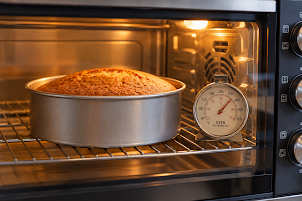
An oven thermometer like the Taylor Precision Oven Thermometer helps you:

  • See real internal temperature
  • Detect hot and cold spots
  • Adjust settings accurately

👉 Therefore, it becomes one of the most essential baking tools for consistent results.

Advanced Temperature Control for Consistent Cake Texture

For better precision, a digital option like the ThermoPro TP-16 Oven Thermometer allows you to:

  • Monitor temperature in real time
  • Maintain stable baking conditions

👉 As a result, you can achieve repeatable, bakery-quality results at home.


Quick Self-Check to Identify Dense Cake Causes from Oven Issues

Before baking, ask:

✔ Did I preheat the oven properly?
✔ Am I verifying the temperature with a thermometer?
✔ Is the cake placed in the center of the oven?

👉 If yes, your cake is more likely to bake evenly and rise correctly.


Why Accurate Oven Heat Prevents Dense Cake Structure

Correct oven temperature ensures:

✔ Even rise
✔ Proper structure setting
✔ Moist, soft crumb

👉 Therefore, even a perfect batter can fail without accurate heat control.


Professional Baking Tips for Consistent Cake Texture

Professional bakers rely on precision rather than guesswork.

They:

  • Verify oven temperature regularly
  • Use accurate baking tools
  • Control heat distribution carefully

👉 Ultimately, baking is about managing heat—not just following a recipe.


How to Fix Oven Issues for Better Cake Results

Once oven accuracy is corrected:

✔ Cakes rise evenly
✔ Texture improves immediately
✔ Results become consistent

👉 As a result, this is one of the fastest ways to fix dense cakes.

And once your oven is calibrated correctly, your baking becomes consistent.


Step-by-Step Guide to Improve Oven Performance

If your cake turns out dense, uneven, or dry, the issue may not be your ingredients—it’s your oven setup.

Most ovens:

  • Run hotter or cooler than displayed
  • Have uneven heat distribution
  • Create hot spots

👉 Because of this, even a perfect batter can fail.


Learn How to Use Your Oven for Baking (Get Even Cakes Every Time)

👉 Read this detailed guide:
How to Use Your Oven for Baking (Get Even Cakes Every Time)

This guide will help you:

  • Calibrate your oven correctly
  • Position your cake for even baking
  • Avoid hot spots and uneven rise
  • Achieve soft, fluffy, evenly baked cakes

Why Fixing Oven Accuracy Improves Cake Texture Instantly

Many bakers focus on ingredients first. However, experienced bakers prioritize oven accuracy.

👉 Because once your oven is stable:

  • Cakes rise evenly
  • Texture improves instantly
  • Results become reliable

Mistake #6: Cold Ingredients Break the Batter (Why Is My Cake Dense Even When I Follow the Recipe?)

If you’re wondering why is my cake dense even when you follow the recipe exactly, cold ingredients are often the hidden cause. In many cases, the batter may look curdled, lumpy, or slightly split—and that’s where the problem begins.

👉 Because of this, your cake can turn dense before it even enters the oven.

why is my cake dense? Curdled cake batter in a mixing bowl showing split butter, sugar, and eggs due to incorrect mixing or temperature


How Ingredient Temperature Affects Cake Texture

Baking relies on a process called emulsification, where fat (butter) and liquids (eggs and milk) combine smoothly.

However, this process only works when ingredients are at room temperature.

👉 As a result, a stable emulsion helps trap air, which is essential for a soft, fluffy cake.


What Happens When Ingredients Are Cold (Dense Cake Result)

When cold ingredients are added to the batter:

  • Butter hardens instantly
  • The mixture begins to separate
  • Air structure collapses

👉 Therefore, the final cake may have:

  • Uneven texture
  • Poor rise
  • Dense, heavy crumb

In some cases, the batter appears normal at first; however, the texture becomes tight after baking.


Common Ingredient Temperature Mistakes That Cause Dense Cakes

Several common habits can lead to this issue:

  • Using eggs straight from the refrigerator
  • Adding cold milk directly to the batter
  • Not softening butter properly

👉 Because of this, temperature imbalance disrupts mixing and weakens structure.


How to Use Room Temperature Ingredients for Better Cake Texture

To improve your cake texture:

✔ Let eggs sit at room temperature for 20–30 minutes
✔ Use butter that is soft, not melted
✔ Bring milk to room temperature before mixing

👉 As a result, ingredients combine smoothly and maintain a stable batter.


Best Tools to Prevent Dense Cake from Cold Ingredients

Using the right tools helps maintain consistency.

1. Digital Thermometer (Temperature Accuracy)
A tool like the ThermoPro TP19H helps you:

  • Check ingredient temperature (20–24°C / 68–75°F)
  • Avoid guesswork
  • Maintain consistency

👉 Therefore, it supports proper emulsification.


2. Stand Mixer (Smooth Batter Structure)
A mixer like the KitchenAid Artisan Stand Mixer helps:

  • Blend ingredients evenly
  • Reduce curdling
  • Maintain stable texture

👉 As a result, your batter stays smooth and aerated.


3. Microwave (Quick Temperature Adjustment)

Using a microwave like the Panasonic NN-SN686S Microwave Oven  allows you to:

  • Slightly warm milk (5–10 seconds)
  • Soften butter quickly

👉 Because of this, you prevent cold shock during mixing.


Quick Self-Check to Avoid Dense Cake from Temperature Issues

Before mixing, ask yourself:

✔ Are the eggs at room temperature?
✔ Is the butter soft and pliable?
✔ Is the milk no longer cold?

👉 If yes, your batter is more likely to mix smoothly and evenly.


Why Proper Emulsification Prevents Dense Cake Structure

When emulsification fails:

  • The batter cannot hold air
  • The structure becomes weak
  • The cake turns dense

👉 Therefore, no baking adjustment can fix this later.


Professional Tips for Consistent Cake Texture

Professional bakers focus on control and consistency.

They:

  • Manage ingredient temperature carefully
  • Maintain stable mixing conditions
  • Avoid shortcuts in preparation

👉 Ultimately, precision leads to reliable, bakery-quality results.


How Correct Ingredient Temperature Improves Cake Texture

Correct ingredient temperature can:

✔ Prevent curdling
✔ Improve cake rise
✔ Create a smooth, soft crumb

👉 As a result, your cakes become lighter, fluffier, and more consistent.

Once this step becomes a habit, your baking improves without changing the recipe.

Mistake #7: Overbaking (Why Is My Cake Dense, Dry, and Heavy?)

If you’re wondering why is my cake dense even after following every step, overbaking is often the final hidden cause. In many cases, a cake may look perfect on the outside; however, it feels dry, tight, or heavy once sliced.

👉 Because of this, even a well-made batter can turn into a dense cake.

why is my cake dense? Overbaked chocolate cake with a cracked dry top in a baking pan, showing signs of excess baking time or high oven temperature


How Overbaking Affects Cake Texture and Moisture

A cake does not stop cooking the moment you remove it from the oven. Instead, it continues to cook due to residual heat, also known as carryover cooking.

👉 As a result, waiting until the cake looks fully done inside the oven often means it is already overbaked.


What Happens When Cakes Are Overbaked (Dense Cake Result)

When a cake stays in the oven too long:

  • Moisture evaporates completely
  • Air pockets collapse
  • The crumb tightens

👉 Therefore, the final result includes:

  • Dry texture
  • Dense structure
  • Loss of softness

Even a few extra minutes can turn a soft, fluffy cake into a heavy one.


Common Overbaking Mistakes That Cause Dense Cakes

Several habits can lead to overbaking:

  • Relying only on baking time
  • Waiting for a completely dry toothpick
  • Ignoring oven temperature variations

👉 Because of this, timing alone becomes unreliable, especially in home ovens.


How to Prevent Overbaking for Soft Cake Texture

To achieve soft, moist cake texture:

✔ Start checking your cake 5–7 minutes before the recommended time
✔ Remove it when the toothpick shows a few moist crumbs
✔ Let the cake rest outside the oven to finish cooking

👉 As a result, moisture stays locked in while the structure sets properly.


Best Baking Tools to Avoid Dense Cake from Overbaking

Using the right tools improves accuracy and consistency.


Using Thermometers and Timers for Perfect Cake Texture

A tool like the ThermoPro TP19H helps you:

  • Check internal cake temperature (95–98°C / 203–208°F)
  • Avoid under or overbaking
  • Achieve consistent doneness

👉 Therefore, it ensures precision baking every time.


Oven Thermometer (Prevent Hidden Temperature Errors)

A thermometer like the Taylor Precision Oven Thermometer:

  • Verifies actual oven temperature
  • Prevents overheating
  • Reduces risk of dry cakes

👉 As a result, your baking becomes more accurate.


Digital Timer (Avoid Overbaking Mistakes)

A timer like the ThermoPro TM02 helps:

  • Track baking time precisely
  • Prevent “just a few extra minutes” errors

👉 Because of this, consistency improves significantly.


Quick Self-Check to Prevent Dense Cake from Overbaking

Before removing your cake, check:

✔ Does the surface spring back lightly when touched?
✔ Is the color golden rather than dark brown?
✔ Does the toothpick show moist crumbs instead of being dry?

👉 If yes, your cake is properly baked and should remain soft.


Why Proper Baking Time Prevents Dense Cake Structure

Correct baking time ensures:

✔ A moist interior
✔ A soft crumb
✔ A light texture

👉 Therefore, overbaking is often the final mistake that turns a good cake into a dense one.


Professional Baking Tips for Light and Fluffy Cake Texture

Professional bakers rely on multiple indicators rather than guessing.

They:

  • Use temperature checks
  • Combine visual and timing cues
  • Depend on precision tools

👉 Ultimately, baking is about control—not assumptions.


How Fixing Overbaking Improves Cake Texture

Fixing overbaking can:

✔ Restore moisture
✔ Improve softness
✔ Prevent dense texture

👉 As a result, your cakes become lighter, softer, and more consistent.

Once you master this step, your cakes will consistently turn out fluffy and bakery-quality.

Why Baking Tools Improve Cake Texture and Consistency

Using proper baking tools improves accuracy at every step. For example, they help control mixing, measurement, and temperature—all of which directly affect cake texture.

As a result, you can:

  • Avoid over mixing the batter
  • Measure ingredients precisely
  • Maintain consistent oven temperature

👉 Therefore, your cakes turn out soft, fluffy, and evenly baked instead of dense or heavy.

Best Baking Tools for Beginners (Fix Dense Cake and Improve Texture)

If you’re wondering why is my cake dense even when I follow the recipe, the answer is often not just technique—it’s also your tools. In many cases, the right baking tools remove guesswork; as a result, they help you achieve consistent, bakery-style cakes at home.

👉 Because of this, investing in a few essential tools can dramatically improve cake texture, rise, and overall results.


Why Baking Tools Matter for Cake Texture and Consistency

Using proper baking tools improves accuracy at every step. For example, they help control mixing, measurement, and temperature—all of which directly affect cake texture.

As a result, you can:

  • Avoid overmixing the batter
  • Measure ingredients precisely
  • Maintain consistent oven temperature

👉 Therefore, your cakes turn out soft, fluffy, and evenly baked instead of dense or heavy.

Stand Mixers to Prevent Dense Cake from Over Mixing

A stand mixer is one of the most important tools for preventing dense cakes. Because it maintains consistent speed, it reduces the risk of overmixing.

Product Best For Key Benefit
KitchenAid Artisan Serious bakers Perfect aeration
Hamilton Beach Mixer Budget option Reliable mixing
Cuisinart Stand Mixer Advanced users Precision control

👉 As a result, your batter stays light and properly aerated.

Why it matters: Prevents over mixing and improves cake structure


Digital Kitchen Scales for Accurate Cake Measurement

Incorrect measurements are one of the biggest causes of dense cake texture. However, a digital scale ensures precision every time.

Product Best For Key Benefit
OXO Scale Professionals High precision
Etekcity Budget Affordable accuracy
Escali Primo Everyday baking Consistency

👉 Because of this, ingredient ratios remain balanced, which improves cake rise.

Why it matters: Fixes measurement errors that lead to dense cakes


Oven Thermometers to Prevent Dense Cake from Temperature Errors

Even if your oven display looks correct, the actual temperature can vary. Therefore, using an oven thermometer ensures accuracy.

Product Best For Key Benefit
Taylor Thermometer Most users Reliable readings
Rubbermaid Budget Simple fix
CDN Pro Advanced baking High precision

How Baking Tools Improve Cake Texture (From Dense to Fluffy)

Using proper tools helps you:

✔ Avoid overmixing
✔ Measure ingredients accurately
✔ Maintain correct oven temperature

👉 As a result, your cake bakes evenly and sets properly.

Why it matters: Prevents uneven baking and dense centers


Essential Tool Checklist to Avoid Dense Cake Problems

When used together, these tools create consistency throughout the baking process.

For example, they help you:

✔ Mix batter correctly without overworking it
✔ Measure ingredients with precision
✔ Maintain stable oven conditions

👉 Therefore, you eliminate the most common baking mistakes that lead to dense cakes.

Quick Checklist (Essential Tools to Fix Dense Cakes Fast)

Before you bake, make sure you have:

✔ A stand mixer for proper aeration
✔ A digital scale for accurate measurements
✔ An oven thermometer for temperature control

👉 If you use these consistently, your cakes will turn out lighter, softer, and more reliable.

Fix Dense Cakes for Good (Simple System for Better Cake Texture)

If you’re still asking why is my cake dense even when I follow the recipe, the real issue is often not the ingredients—it’s the method. In many cases, small process mistakes build up; as a result, your cake turns out heavy instead of light and fluffy.

👉 Because of this, understanding why things go wrong is the fastest way to fix them.

Real Results from Fixing Dense Cake Problems

One of my students shared this after learning the system:

👉 “I followed recipes exactly, but my cakes were always dense. Once I understood what I was doing wrong, everything changed. Now my cakes are soft, fluffy, and consistent every time.”

As a result, baking became easier, more predictable, and far less frustrating.

student testimonial about online baking class solving baking problems

🌿 Why Understanding Technique Prevents Dense Cake Texture

After more than 20 years of teaching baking, one pattern stands out clearly.

Most baking problems don’t happen because you’re doing something wrong. Instead, they happen because the reason behind each step is never explained.

👉 Because of this, small mistakes quietly turn into dense, heavy cakes.

That’s exactly what this approach solves.

What You Gain from a Consistent Baking System

Students who follow this system experience:

✔ Clear, step-by-step guidance (no confusion)
✔ Practical solutions—not just recipes
✔ Techniques that work across different cakes
✔ Support similar to in-person classes

👉 Therefore, results become consistent and reliable over time.

Why Many Bakers Struggle with Dense Cake Results

If your cakes feel heavy, flat, or inconsistent—even after following recipes—you’re not the only one facing this issue.

However, you don’t have to figure it out alone.

👉 Because with the right system, baking becomes much simpler.


Learn Baking Techniques for Better Cake Texture at Home

You can now learn this exact method through structured online baking classes.

👉 Start here:
https://cookeryexpressions.co.in/

As a result, you gain clarity, improve faster, and avoid repeated mistakes.


Step-by-Step System to Prevent Dense Cake Every Time

This system is designed to eliminate dense cakes completely:

✔ Measure ingredients accurately using a digital scale
✔ Cream butter and sugar properly (3–5 minutes)
✔ Mix gently after adding flour
✔ Use room temperature ingredients
✔ Bake at the correct, verified temperature
✔ Remove the cake at the right time

👉 Because of this, every step supports a light and stable cake structure.


How This System Improves Cake Texture and Consistency

When you apply this method consistently:

✔ Cakes become soft and fluffy
✔ Texture stays moist and even
✔ Results look professional

👉 Ultimately, baking becomes predictable, simple, and enjoyable.

Frequently Asked Questions About Dense Cake (Causes and Fixes)

If you’re still asking why is my cake dense, these quick answers will help you identify the exact problem and fix it faster. In addition, each solution focuses on improving cake texture, rise, and consistency.


Why Does a Cake Turn Dense Instead of Fluffy?

A cake usually turns dense due to too much flour, overmixing, expired leavening agents, or incorrect oven temperature.
👉 As a result, using accurate baking tools and proper techniques helps create a soft, fluffy cake texture.


What Causes a Heavy and Flat Cake Texture?

Heavy, flat cakes are often caused by weak baking powder, overmixed batter, or incorrect ingredient ratios.
👉 Therefore, improving measurement accuracy and mixing technique leads to better rise and structure.


How to Make Cake Texture Light and Fluffy

To achieve a light, fluffy cake:

✔ Use room temperature ingredients
✔ Measure accurately with a digital kitchen scale
✔ Cream butter and sugar properly
✔ Bake at the correct temperature

👉 In addition, avoid overmixing to maintain a soft crumb.

👉 For example, if you want to apply these techniques with a proven result, try this soft gluten-free pound cake recipe:
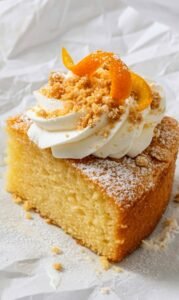
https://cookeryexpressions.co.in/gluten-free-orange-pound-cake/

This moist orange cake recipe without gluten helps you practice correct mixing, accurate measurement, and proper baking—so your cake turns out soft, fluffy, and consistent every time.


Does Overmixing Lead to Dense Cake Texture?

Yes, overmixing develops excess gluten, which tightens the structure.
👉 Because of this, the cake becomes dense and slightly rubbery instead of soft and airy.


Why Cake Rise Fails and Leads to Dense Texture

A cake may not rise due to expired leavening agents, overmixing, or incorrect oven temperature.
👉 Therefore, using fresh ingredients and verified baking conditions improves cake rise.


Best Way to Measure Flour to Avoid Dense Cake

The most accurate method is using a digital kitchen scale. However, if you use measuring cups, spoon the flour in and level it.
👉 As a result, you avoid excess flour, which is a major cause of dense cakes.


Do Baking Tools Improve Cake Texture?

Yes, proper tools improve consistency and precision.
👉 For example, a stand mixer, oven thermometer, and digital scale help control mixing, temperature, and measurement.

As a result, your cake texture improves significantly.


Can Oven Temperature Cause Dense Cake Results?

Yes, incorrect temperature leads to uneven baking and poor rise.
👉 Therefore, using an oven thermometer ensures accurate heat and better results.


Why Ingredient Temperature Affects Cake Texture

Room temperature ingredients mix more evenly and form a stable batter.
👉 As a result, air is incorporated properly, which helps create a lighter cake texture.


Best Tools to Prevent Dense Cake for Beginners

The most essential tools include:

✔ Stand mixer (prevents overmixing)
✔ Digital kitchen scale (ensures accurate measurements)
✔ Oven thermometer (maintains correct temperature)

👉 Because of this, beginners can achieve consistent, fluffy results more easily.


Fix Dense Cake for Good (From Guesswork to Precision Baking)

If you’re wondering why is my cake dense even when you follow the recipe, the answer is simpler than it seems.
In most cases, a dense cake isn’t caused by one big mistake. Instead, it comes from small issues in mixing, measuring, or temperature.

👉 However, once you fix these, your results improve quickly.

Why Cakes Turn Dense and How to Fix It

A dense or heavy cake usually comes down to:

  • Overmixing the batter
  • Incorrect flour measurement
  • Weak or expired leavening agents
  • Inaccurate oven temperature
  • Cold ingredients or overbaking

👉 That’s why even a good recipe can fail if the technique isn’t controlled properly.

How Precision Improves Cake Texture Consistently

When you replace guesswork with precision:

  • You measure accurately
  • You mix correctly
  • You control temperature

👉 As a result, you’ll notice your cakes turning:

✔ Softer
✔ Lighter
✔ More evenly baked

Apply These Techniques to Improve Cake Texture

👉 Try this soft gluten-free pound cake recipe:
https://cookeryexpressions.co.in/gluten-free-orange-pound-cake/

This moist orange cake helps you practice the right techniques.
So, you can see better texture and consistency immediately.


My Approach to Fixing Dense Cake Problems

Hi, I’m Sharmila—baker and creator behind Cookery Expressions.

I help you understand why baking problems happen.
Then, I show you how to fix them step by step.

👉 Because of this, baking feels easier and more predictable.

Step-by-Step Checklist to Prevent Dense Cake

Follow this system to improve your results:

✔ Measure ingredients using a digital scale
✔ Cream butter and sugar properly (3–5 minutes)
✔ Mix gently after adding flour
✔ Use room temperature ingredients
✔ Bake at a verified temperature
✔ Remove at the right time

👉 In turn, this creates a soft, fluffy, and well-balanced cake structure.


How Better Technique Improves Cake Texture Instantly

If your cake keeps turning dense, don’t change recipes again and again.
Instead, improve your method.

👉 Once your process is right, results improve instantly.

🔥 Final Takeaway

Dense cakes are not random.
They are predictable.

👉 And once you understand the cause, you can fix it every time.

So instead of asking “why is my cake dense?” again…

👉 Start baking with clarity and confidence.
Enjoy soft, fluffy cakes every time.

Essential Baking Tools to Fix Dense Cake Quickly

Use these tools to eliminate common baking mistakes:

👉 As a result, these tools help create soft, fluffy, and consistent cakes.


Recommended Tools to Improve Cake Texture and Consistency

👉 Explore recommended baking tools here:
Check all baking tools on Amazon

👉 Using the right tools makes baking easier.
It also helps you get consistent, bakery-quality results.

Leave a Comment

Your email address will not be published. Required fields are marked *